
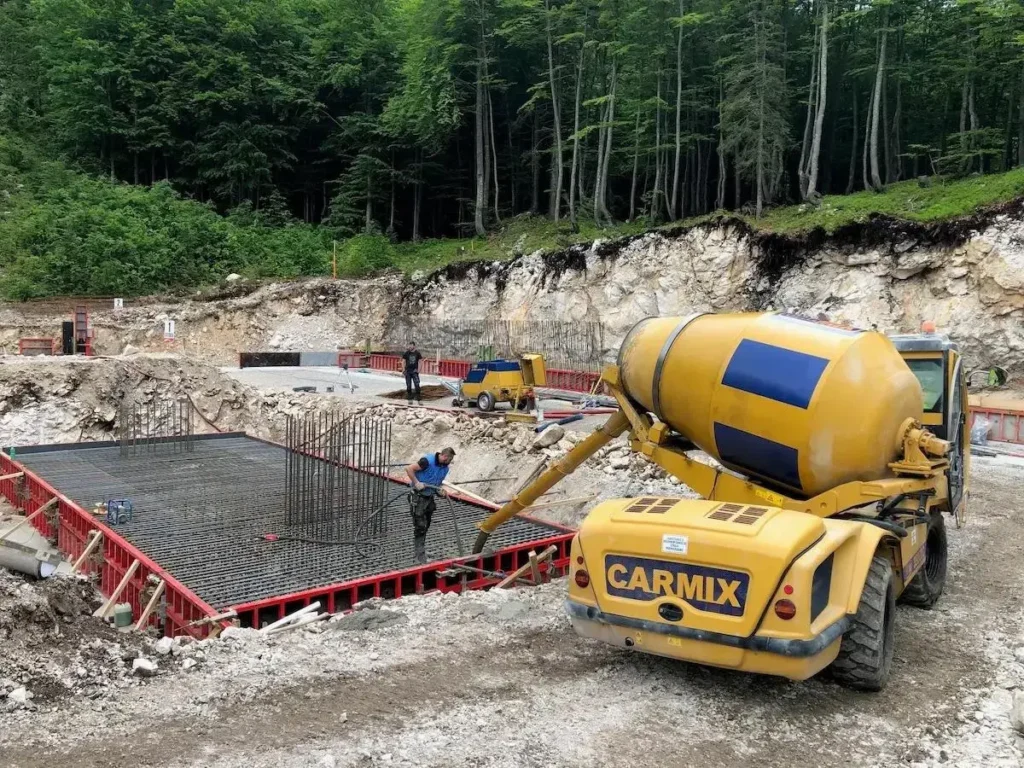

High-quality concrete is the foundation of any durable and long-lasting construction project. From towering skyscrapers to extensive highway networks, the consistency and strength of the concrete used are non-negotiable. At the heart of producing this essential material is the concrete batching plant, a sophisticated piece of machinery that has revolutionized the construction industry by ensuring precision, efficiency, and quality control. Understanding how these plants operate and the different types available is crucial for any project manager, engineer, or construction business owner looking to optimize their operations.
What Is a Concrete Batching Plant?
A concrete batching plant is a facility that combines various ingredients to form concrete. These ingredients include aggregates (like sand, gravel, or crushed stone), cement, water, and sometimes additives. The plant’s primary function is to accurately measure these components according to a predetermined recipe and mix them thoroughly to produce a homogeneous concrete mixture. This process ensures that every batch of concrete meets the specific strength and quality standards required for a particular construction project.
Modern plants are highly automated, using advanced control systems to manage the entire process from material storage and weighing to mixing and dispatch. This automation minimizes human error, improves production speed, and guarantees a consistent end product.
Key Components and Their Functions
While designs may vary, most concrete batching plants consist of five primary systems working in unison. Understanding these components is key to appreciating their operational efficiency.
- Material Storage System: This includes silos for storing cement and fly ash, as well as aggregate bins for sand and gravel. Proper storage is vital to protect materials from moisture and contamination.
- Material Conveying System: A network of conveyor belts, bucket elevators, and screw conveyors transports the raw materials from the storage areas to the weighing system. Belt conveyors are typically used for aggregates, while screw conveyors move cement and other fine powders.
- Material Weighing System: This is arguably the most critical part of the plant. It uses high-precision load cells to accurately measure each ingredient. Separate scales for aggregates, cement, water, and additives ensure the mix design is followed exactly.
- Mixing System: The “heart” of the plant, where the ingredients are combined. The most common type is the twin-shaft compulsory mixer, known for its powerful and uniform mixing action, which is essential for producing high-strength concrete.
- Control System: The plant’s “brain” is a computerized system that allows a single operator to monitor and manage all operations. The operator inputs the concrete recipe, and the system automatically controls the weighing, conveying, and mixing processes, ensuring accuracy and efficiency.
Types of Concrete Batching Plants
Choosing the right type of plant depends on the project’s scale, location, and specific requirements. The main categories are stationary and mobile plants, each with its own advantages.
Stationary Concrete Batching Plants
Stationary plants are designed for long-term projects or for supplying ready-mix concrete to a wide area. They have a larger footprint and production capacity, often ranging from 50 to 240 cubic meters per hour. These plants are built on solid foundations and are known for their high efficiency, stability, and ability to produce large volumes of concrete consistently. They are ideal for commercial ready-mix suppliers and major infrastructure projects like dams, airports, and bridges. A high-quality stationary concrete batching plant is a significant investment that delivers long-term value through high output and operational reliability.
Mobile Concrete Batching Plants
Mobile plants offer flexibility and are perfect for projects that require moving between different sites or are located in remote areas. These plants are mounted on a chassis with wheels, allowing for easy transportation and quick setup. While their production capacity is generally lower than stationary models, they eliminate the need for long-distance concrete transportation, saving time and costs. Mobile batching plants are an excellent solution for road construction, small to medium-sized building projects, and temporary job sites.
The Advantages of Using a Concrete Batching Plant
Integrating a concrete batching plant into your construction operations offers numerous benefits that contribute to project success.
- Consistent Quality: Automated weighing and mixing systems ensure that every batch of concrete has the same proportions, leading to uniform strength, texture, and durability.
- Increased Efficiency: These plants can produce large quantities of concrete in a short amount of time, keeping projects on schedule. Centralized mixing eliminates the delays associated with on-site manual mixing.
- Cost Reduction: By precisely measuring materials, batching plants minimize waste. Furthermore, producing concrete on-site or nearby can significantly reduce transportation costs.
- Environmental Benefits: Modern plants are equipped with dust collection systems that reduce air pollution. Centralized production also minimizes noise and waste on the construction site itself.
- Versatility: Batching plants can be configured to produce various types of concrete mixes, from standard structural concrete to specialized high-performance or decorative mixes, simply by adjusting the recipe in the control system.
Choosing the Right Partner for Your Equipment Needs
Selecting the right concrete batching plant is a critical decision that impacts your project’s efficiency and profitability. It requires a partner with deep industry experience, a commitment to innovation, and a track record of reliability. For over four decades, Unique Group has been a leading manufacturer of construction machinery, providing customized solutions to clients across the globe.
By visiting www.uniquemacglobal.com, you can explore a comprehensive range of equipment, from stone crusher plants to asphalt mixing plants and advanced concrete machinery. The company’s commitment to innovative technology, customized solutions, and expert support ensures that every client receives equipment tailored to their specific needs, backed by a team of professionals dedicated to their success. Whether you are undertaking a large-scale infrastructure project or a commercial development, partnering with an experienced supplier guarantees quality, performance, and peace of mind.
Also Read-Trusted Business Reputation: A Must for Local Businesses


