
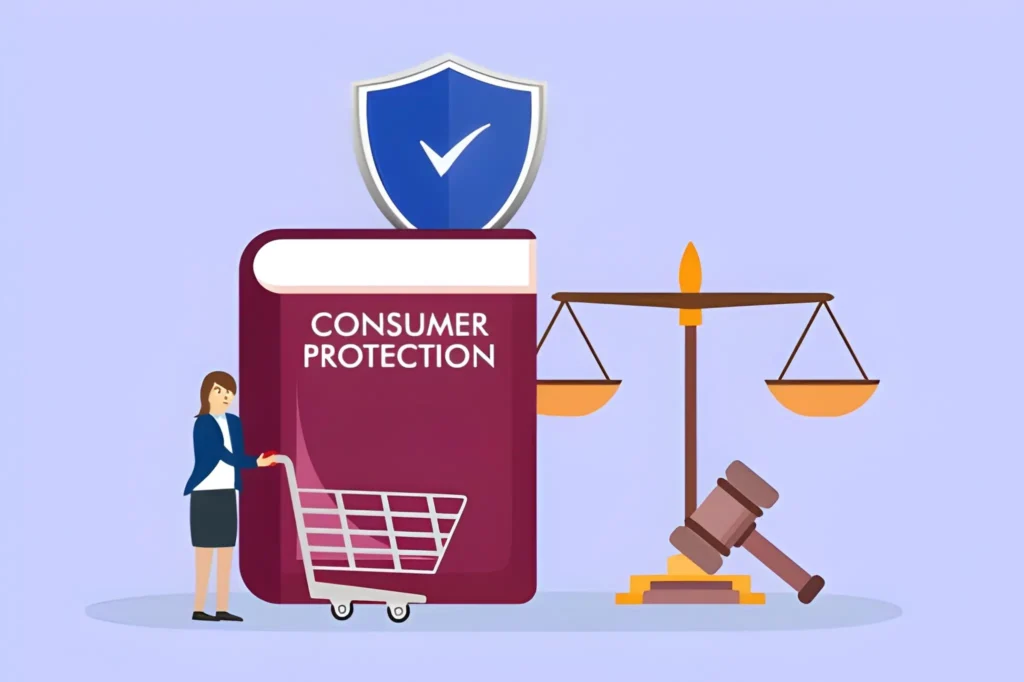

Every day, Americans make countless purchasing decisions, from buying groceries and clothing to signing contracts for homes and vehicles. Yet many consumers remain unaware of the powerful legal protections designed to safeguard their interests. Understanding your consumer rights isn’t just about knowing what to do when something goes wrong; it’s about being an informed buyer who can make confident decisions and stand up against unfair business practices.
Consumer protection laws exist to balance the relationship between businesses and buyers, ensuring fairness, transparency, and accountability. Whether you’re dealing with defective products, misleading advertising, or aggressive collection tactics, knowing your rights can make all the difference. If you’ve experienced unfair treatment or need professional guidance, Vullings Law specializes in helping consumers navigate complex legal situations and protecting their interests.
Understanding the Foundation of Consumer Rights
Consumer protection laws are regulations designed to prevent businesses from engaging in fraudulent, unfair, or deceptive practices. These laws cover a wide range of issues including product safety, fair pricing, honest advertising, and contractual obligations. In the United States, consumer protection is governed by both federal and state legislation, creating a comprehensive framework that shields buyers from exploitation.
Strong consumer protections benefit everyone in the marketplace. They encourage fair competition, build trust between businesses and customers, and ensure that consumers can seek remedies when things go wrong. According to the Federal Trade Commission, consumer protection laws help maintain a healthy economy by promoting confidence in the marketplace and preventing fraud.
Your Fundamental Consumer Rights
Consumers have the right to purchase products and services that don’t pose unreasonable risks to health or safety. The Consumer Product Safety Commission establishes standards that manufacturers must meet, and businesses are required to notify consumers about dangerous product defects through recalls. This fundamental right ensures that businesses cannot knowingly sell dangerous products without facing legal consequences.
The Right to Be Informed
Transparency is crucial in consumer transactions. You have the right to accurate, complete information about products and services before making a purchase:
- Clear pricing: All costs must be disclosed upfront without hidden fees
- Honest advertising: Marketing claims must be truthful and substantiated
- Contract disclosure: Terms and conditions must be clearly stated
- Product specifications: Descriptions must accurately represent what you’re buying
The FTC’s Truth in Advertising standards require businesses to provide honest information and back up their claims with evidence.
A competitive marketplace depends on consumers having genuine choices. This right protects you from monopolistic practices, forced bundling of products, and anti-competitive behavior that limits your options in the marketplace.
When problems arise, consumers must have accessible channels to voice complaints and seek remedies. This includes the ability to return defective products, access customer service, and pursue legal recourse through small claims courts or regulatory bodies when businesses fail to resolve issues fairly.
Federal and State Consumer Protections
The federal government provides several important consumer protections through agencies like the FTC and laws including the Fair Credit Reporting Act, Truth in Lending Act, and Fair Debt Collection Practices Act. These regulations ensure baseline protections for all Americans regardless of where they live.
Each state has its own consumer protection laws that often provide additional safeguards beyond federal regulations. State laws typically address unfair business practices, lemon laws for defective vehicles, and specific industry regulations like auto repair and home improvement contracts.
When you purchase a product, it comes with implied warranties under the Uniform Commercial Code, even if not explicitly stated. If an item is defective, you generally have the right to request a refund, replacement, or repair. Both retailers and manufacturers can be held accountable for products that don’t work as advertised or fail to meet reasonable quality standards.
False Advertising and Misleading Claims
The FTC prohibits businesses from making false or exaggerated claims about their products or services. This includes deceptive pricing practices, unsubstantiated product claims, and bait-and-switch tactics. If you’ve been misled by false advertising, Vullings Law can help you understand your options for seeking compensation.
Debt Collection Harassment
The Fair Debt Collection Practices Act protects consumers from abusive collection practices:
- Time restrictions: Collectors cannot call before 8 a.m. or after 9 p.m.
- Harassment prohibition: Threats, intimidation, and abusive language are illegal
- Privacy protection: Collectors cannot discuss your debt with third parties
- Accurate information: Collectors must provide truthful information about what you owe
Cooling-Off Periods and Cancellation Rights
The FTC’s Cooling-Off Rule gives consumers three days to cancel certain sales made at their home, workplace, or temporary seller locations for purchases of $25 or more. Specific state laws may provide additional cooling-off periods for timeshare agreements, health club memberships, and other contracts.
To properly cancel, provide written notice within the specified timeframe, keep copies of all communications, and send notices by certified mail with return receipt requested.
While many consumer issues can be resolved directly with businesses, professional legal help becomes important when companies refuse to acknowledge complaints, you’ve suffered significant financial losses, or the situation involves complex legal questions. Consumer protection attorneys can evaluate your case, negotiate on your behalf, and represent you in court proceedings.
Protecting Yourself as a Consumer
Before making significant purchases, research the company’s reputation and read reviews from other customers. Always read contracts carefully before signing, and never let high-pressure sales tactics rush you into decisions you’re not comfortable with.
Documentation is crucial for enforcing your consumer rights. Save all receipts, contracts, and correspondence with businesses. If problems arise, document phone conversations with dates, times, and the names of people you spoke with.
Filing Complaints and Seeking Remedies
Several organizations can help resolve consumer disputes. The Federal Trade Commission handles complaints about unfair business practices, while your state Attorney General’s office addresses violations of state consumer protection laws. The Consumer Financial Protection Bureau specifically handles complaints about financial products and services.
Consumer complaints can result in various outcomes including refunds, product replacements, contract cancellations, and compensation for damages. In serious cases, businesses may face penalties or be required to change their practices.
Special Protections for Common Situations
E-commerce brings unique protections including the right to clear information about shipping costs and delivery times, secure payment processing, and privacy protections for your personal data. Credit card chargeback rights provide additional security when online purchases go wrong.
The Truth in Lending Act requires lenders to clearly disclose interest rates, fees, and total loan costs. The Fair Credit Reporting Act gives you the right to dispute inaccurate information on your credit report and limits who can access your credit information.
Conclusion
Understanding your consumer protection rights empowers you to make informed decisions, avoid scams, and seek appropriate remedies when problems arise. While the United States offers robust consumer protections through federal and state legislation, these rights are only valuable if you know they exist and how to exercise them. Whether you’re dealing with a minor product defect or facing serious financial harm from unfair business practices, knowing your rights is the first step toward resolution.
Stay informed, keep good records, and don’t hesitate to speak up when businesses fail to meet their obligations. Remember that consumer protection laws exist to serve you—use them confidently.
Read more: Understanding sports betting for beginners