
A properly functioning furnace is crucial for maintaining indoor comfort, especially during colder months when consistent heat is essential. However, one often-overlooked factor that directly affects furnace performance and longevity is the condition of its air filter. Neglecting this small but crucial component can lead to frequent breakdowns, higher repair costs, and reduced system efficiency. Dirty filters restrict airflow, forcing the furnace to work harder than necessary and causing strain on key mechanical parts. We will explore how ignoring air filter maintenance leads to increased furnace repair frequency and the importance of adopting a consistent replacement schedule to ensure a long-lasting heating system.
How Air Filter Neglect Impacts Furnace Repair Frequency
1. Increased Strain on System Components
When air filters become clogged with dust, pollen, and debris, airflow within the furnace is restricted. This makes the blower motor, heat exchanger, and other internal components work harder to maintain the desired temperature. The additional workload accelerates wear and tear, resulting in mechanical failures that could have been easily avoided through regular filter changes. Over time, the blower motor may overheat, or the heat exchanger may develop cracks due to excess strain. These issues are not only costly to repair but also shorten the overall lifespan of the furnace. A neglected filter essentially transforms an efficient heating system into a machine that constantly struggles to meet basic performance expectations, thereby increasing the frequency of furnace repair service calls.
2. Decreased Energy Efficiency and Higher Utility Costs
A clean air filter allows for smooth airflow, ensuring the furnace doesn’t expend unnecessary energy to circulate warm air. However, when the filter is clogged, the system’s efficiency drops significantly. The furnace has to work longer and harder to reach the desired temperature, consuming more electricity or fuel in the process. This inefficiency not only raises monthly energy bills but also places continuous pressure on the system’s components. The longer the furnace operates under these conditions, the more likely it is to experience overheating, short cycling, and mechanical malfunctions. Energy inefficiency becomes both a financial burden and an operational hazard, demonstrating that something as simple as regularly replacing an air filter can make a substantial difference in overall system performance and cost savings.
3. Poor Indoor Air Quality and Health Implications
A neglected air filter doesn’t just affect your furnace—it also impacts the quality of air circulating through your home. When filters become saturated with contaminants, they can no longer effectively trap dust, pollen, pet dander, or mold spores. These particles then circulate freely, leading to respiratory discomfort, allergies, or other health issues for occupants. As the system attempts to push air through a blocked filter, dust can also accumulate on internal furnace components, potentially affecting sensors and electrical connections. This buildup may trigger false readings or cause components to malfunction, requiring professional repair. Maintaining good indoor air quality isn’t just about comfort; it’s about safeguarding both health and the integrity of your HVAC system. Regular air filter maintenance ensures that your furnace runs smoothly while contributing to a cleaner, healthier living environment.
4. Frequent System Breakdowns and Unnecessary Repairs
Neglecting air filters creates a domino effect of mechanical problems, resulting in repeated repairs. When airflow is obstructed, the furnace’s safety mechanisms may engage more often to prevent overheating, causing the system to shut down unexpectedly. Over time, these constant shutdowns lead to stress on control boards, igniters, and other electrical parts. Technicians often find that many service calls could have been avoided if homeowners had maintained their air filters regularly. Dirty filters also cause issues, such as frozen evaporator coils, in systems that combine heating and cooling functions. This not only reduces heating efficiency but also adds unnecessary repair expenses during the most inconvenient times—usually when heating is needed the most. A simple preventive habit of checking and changing filters can drastically reduce repair frequency and enhance long-term reliability.
5. Reduced Furnace Lifespan and Voided Warranties
Manufacturers design furnaces to last for many years, but neglecting filter maintenance can significantly reduce their operational lifespan. Continuous strain on the blower, heat exchanger, and sensors due to poor airflow leads to premature failure of these essential components. Furthermore, many manufacturers’ warranties include clauses requiring routine maintenance, such as regular air filter replacement. If a repair technician determines that neglect caused damage, warranty coverage may be denied. This results in homeowners shouldering the full cost of expensive repairs or replacements. Maintaining a consistent filter replacement routine not only protects the furnace but also ensures compliance with manufacturer guidelines. This simple act of maintenance preserves the system’s efficiency, reliability, and long-term performance, protecting your investment in home comfort.
6. How Regular Filter Maintenance Prevents Future Problems
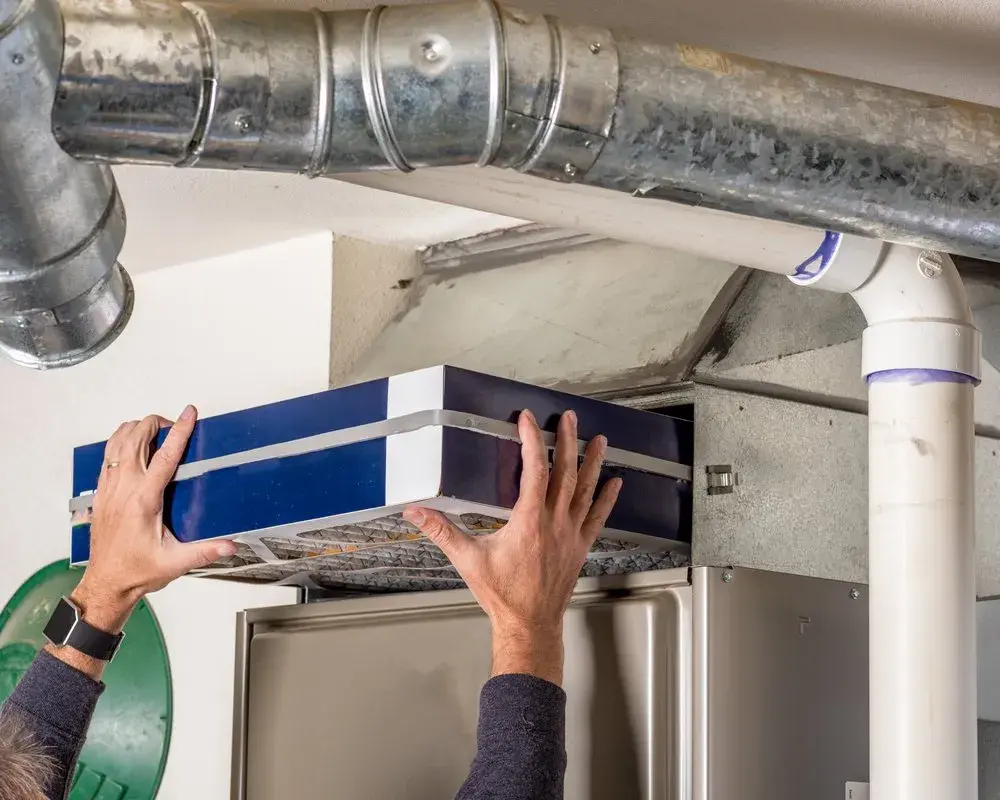
Establishing a routine for checking and replacing air filters is one of the easiest yet most effective ways to prevent unnecessary furnace repairs. Depending on your household environment—such as the number of occupants, pets, or presence of allergens—filters may need to be replaced every one to three months. Choosing the right filter type also makes a difference. High-efficiency filters trap finer particles but may restrict airflow if not replaced on time, so understanding the right balance for your furnace is essential. Regular maintenance not only prevents damage but also improves overall heating performance. A well-maintained filter helps maintain steady airflow, balanced temperatures, and reduced noise during operation. By committing to such preventive care, homeowners can extend the life of their heating systems and minimize unexpected repair bills.
Neglecting air filters may seem minor, but the consequences can be extensive, ranging from poor airflow and reduced efficiency to frequent repairs and higher costs. A clogged filter causes internal strain, degrades indoor air quality, and reduces the furnace’s operational lifespan. Regular maintenance, on the other hand, ensures that every component functions as intended, keeping repair needs minimal and performance optimal. By replacing filters consistently and staying mindful of system health, homeowners can protect their investment, maintain energy efficiency, and ensure year-round comfort. A few minutes of preventive care can save years of trouble and significant repair expenses.
Also Read–Customer Segmentation Models That Drive Retention in Fintech