
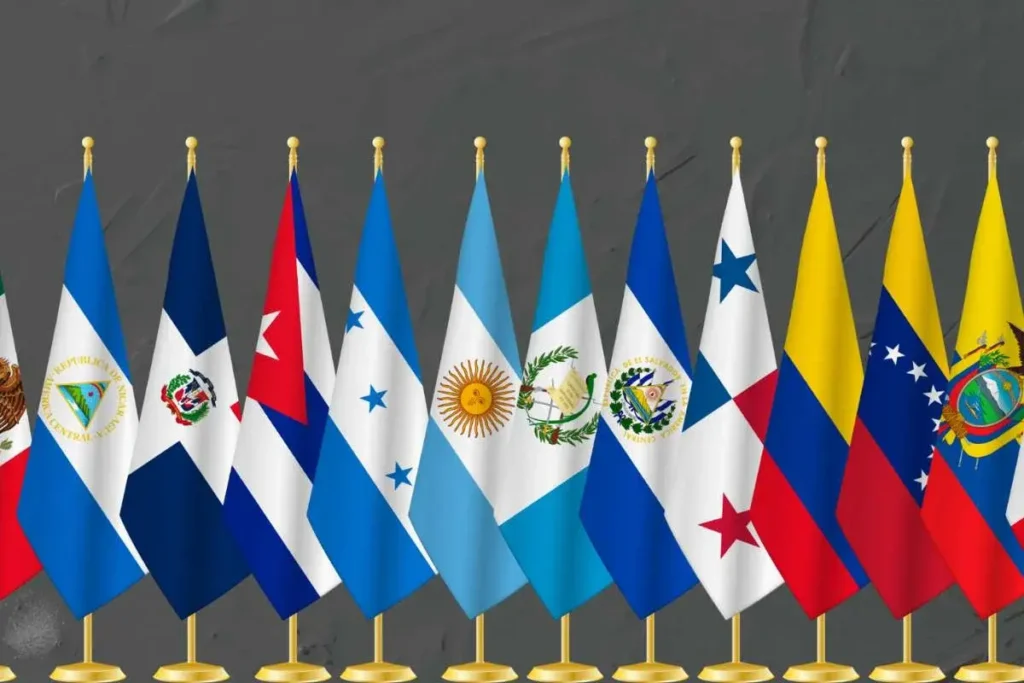

Flags hold a significance beyond being mere pieces of fabric waving in the wind. In Latin America, they serve as powerful symbols of identity and pride, encapsulating the unique history, culture, and aspirations of each nation. These flags tell stories of shared values, unity, and the journey that has shaped an entire continent.
In this article, we delve into the secrets hidden in Latin American flags, uncovering their historical roots, cultural symbols, unique features, evolution over time, impact on national identity, captivating stories behind specific flags, and why understanding them matters.
Historical Roots of Latin American Flags
The history of Latin American flags intertwines deeply with the continent’s fight for independence and self-determination. With countries breaking free from colonial rule, new flags emerged symbolizing newfound freedom and sovereignty.
- Argentina: The blue and white stripes of the Argentine flag symbolize the sky and clouds, with the golden sun reflecting the Inca sun god Inti during the country’s independence struggle. Learn more about Latin American history here.
- Brazil: Featuring green and yellow hues, the Brazilian flag mirrors the country’s imperial past and natural wealth. The stars forming the Southern Cross embody Brazil’s global aspirations, echoed in the motto “Order and Progress.”
- Mexico: The vibrant green, white, and red stripes of the Mexican flag depict an eagle devouring a snake on a cactus, recounting an ancient Aztec legend and honoring Mexico’s rich heritage.
Cultural Symbols Embedded in Flags of Latin America
Latin American flags are adorned with cultural symbols reflecting past and present narratives, such as indigenous patterns, religious influences, and ties to nature.
- Indigenous Patterns: Flags pay homage to ancient civilizations, with Inca-inspired designs celebrating indigenous heritage.
- Religious Symbols: Christian symbols and spiritual motifs make their way onto flags, reflecting the importance of religion.
- Natural Elements: Flags depict animals and plants, showcasing the region’s diverse ecosystem and the significance of nature.
Unique Features of Central and South American Flags
The flags of Central and South America boast distinctive characteristics that set them apart, from symbolic colors and emblems to intricate designs and meaningful symbols.
- Colors and Emblems: Each color and emblem carries historical or cultural significance, representing elements like freedom, fertility, or power.
- Artistic Designs: Flags flaunt detailed designs, narrating tales of each nation’s past and present.
- Meaningful Symbols: Every symbol on a flag holds a story, connecting the nation to its roots and values.
The Evolution of Latin American Flags Over Time
Latin American flags have evolved significantly, mirroring political shifts, social movements, and contemporary influences across the region.
- Political Shifts: Flags were redesigned to reflect changing ideals and governments post-independence.
- Social Movements: Modern flags capture unity and progress, absorbing influences from societal changes.
- Modernization and Contemporary Influences: Flags adapt to modern values and aspirations, incorporating new color schemes and symbols.
The Broader Impact of Latin American Flags on National Identity
Flags play a crucial role in shaping national identity, fostering patriotism, unity, and a shared sense of history and values.
- Fostering Patriotism: Flags evoke national pride during events and celebrations, uniting citizens.
- Symbols of Unity: Flags bring diverse communities together under a common banner, promoting harmony and togetherness.
The Story Behind Select Latin American Flags
Latin American flags carry tales rich in history and legend, offering insights into each nation’s past and cultural depth.
- Mexico: Beyond the famous eagle and snake, the Mexican flag’s green represents independence, white symbolizes purity, and red signifies the blood of national heroes.
- Colombia: Yellow, blue, and red stripes on the Colombian flag embody wealth, seas, and struggle for independence.
- Argentina: The Sun of May on the Argentine flag represents the Inca sun deity, Inti, marking the start of independence.
- Bolivia: Bolivia’s Wiphala flag reflects indigenous pride and diversity with its rainbow-colored design.
For those interested in exploring authentic Latin American flags and learning more about their symbolism, established suppliers like Flags Importer, United States Flag Store, and Carrot-Top Industries offer quality flags representing nations worldwide.
Why Understanding Latin American Flags Matters
Delve beyond the designs to uncover the historical, cultural, and political depths each flag represents, offering insights into cultural heritage, political history, and national identity.
Unravel these layers to appreciate Latin American flags as reflections of the region’s diverse and rich tapestry of stories and aspirations.
Also Read-Mastering Paper Scoring Creaser Techniques for Flawless Folds