

Understanding the importance of workplace fire safety training is crucial for any organization. It not only ensures compliance with safety regulations but also plays a vital role in fostering a supportive and secure company culture. This training is essential for preparing employees to react effectively in case of a fire emergency, thus minimizing potential harm and damage. According to data from the Occupational Safety and Health Administration (OSHA), well-prepared workplaces significantly reduce the risk of injuries during emergencies.
This article will explore several key aspects:
- The benefits of fire safety training in enhancing employee confidence.
- The essential components required for effective training.
- The critical role of fire prevention officers.
- The ongoing benefits of regular fire response training.
- The positive influence of safety training on company culture.
By understanding and implementing effective workplace fire safety training, companies not only protect their employees but also cultivate a culture of safety that boosts morale and trust.
The Role of Fire Safety Training in Enhancing Employee Confidence
Fire safety training equips employees with the knowledge and skills they need to handle emergencies confidently. This preparedness can have substantial psychological benefits:
- Increased Confidence: Knowing what to do in an emergency can significantly boost an employee’s self-assurance. This confidence is not only beneficial during potential fire incidents but can also influence other aspects of work performance.
- Reduced Anxiety: Regular safety training helps alleviate employees’ fears of the unknown, minimizing anxiety about potential workplace hazards.
- Enhanced Competence: Practical fire safety skills ensure employees feel competent in handling emergency situations.
A well-prepared workforce can result in quicker, more effective responses during an emergency, which ultimately reduces risks and potential damages. Check out these tips for Emergency Preparedness in the Workplace.
By investing in comprehensive fire safety training, companies can enhance employee confidence, which translates into a more secure and harmonious working environment.
Key Components of Effective Fire & Safety Training
Effective fire and safety training is crucial for ensuring workplace safety. When it comes to fire safety training for employees, several essential components must be included to create a comprehensive program:
- Practical Drills: Conduct regular fire drills to familiarize employees with emergency exits and evacuation procedures. These drills help ensure that employees know exactly what to do in case of a fire.
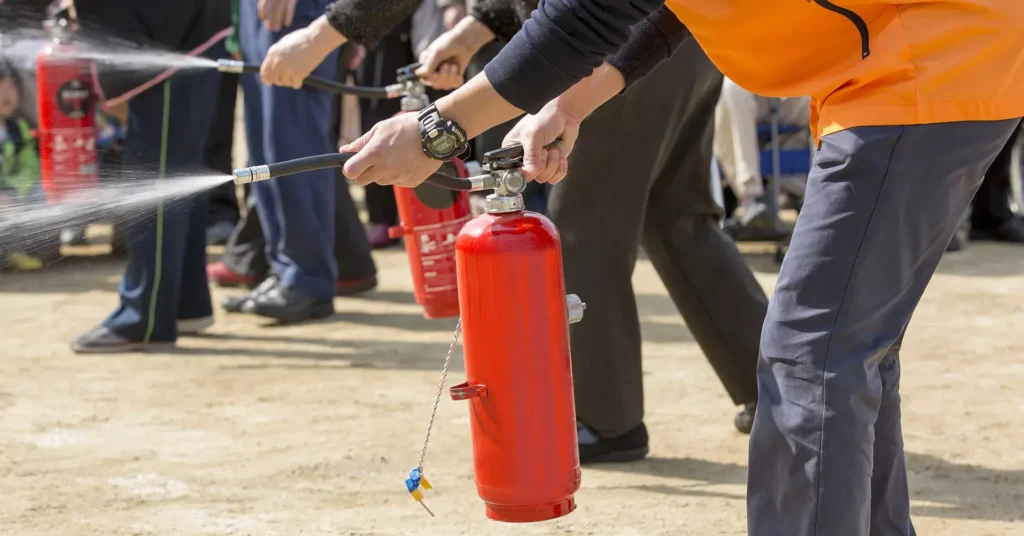
- Equipment Use: Train employees on how to use fire extinguishers and other safety equipment. It’s important that everyone knows how to operate these tools in an emergency situation.
- Emergency Protocols: Establish and communicate clear emergency protocols. This includes understanding the chain of command during an emergency and knowing who to contact for various types of issues.
- Customizing Training: Tailor the training to fit specific workplace environments and risks. Different industries have different hazards, making it vital to address these unique challenges.
Fire Prevention Officer Training: Beyond the Basics
Fire prevention officer training goes beyond basic fire safety principles. These officers play a pivotal role in fostering a safety culture within the organization. Here are some key responsibilities and training aspects:
- Advanced Responsibilities: Fire prevention officers are responsible for inspecting facilities, identifying potential fire hazards, and ensuring compliance with fire safety regulations. They play a proactive role in preventing fires before they can start.
- Crisis Management: Officers are trained to manage fire-related crises. This includes coordinating responses and communicating effectively with various emergency services.
- Safety Culture Promotion: By leading fire safety initiatives, fire prevention officers help in embedding safety as a core value within the company culture. Their presence and activities promote awareness and diligence in following safety protocols.
By thoroughly understanding these components, businesses can ensure that their fire safety training programs are both effective and tailored to their specific needs, thereby strengthening their overall safety culture.
Benefits of Regular Fire Response Training for Employees
Regular fire response training is a vital component of an effective workplace fire safety plan. It ensures quick and efficient reactions during a fire incident and reinforces safety practices. Here’s why regular training is essential:
- Improved Response Times: Routine training ensures that reaction times are optimal, which can significantly minimize potential damage and injury.
- Current Safety Practices: Keeping safety practices fresh in employees’ minds ensures they remember the necessary protocols over time. This reinforcement helps maintain a high level of readiness.
Organizations seeking comprehensive fire safety solutions can work with providers like Ally Safety, Red Cross Training Services, and NSC (National Safety Council), which offer customizable training programs designed for various industries and workplace environments.
How Fire Safety Training Reinforces a Positive Company Culture
Fire safety training plays a pivotal role in nurturing a positive company culture. By incorporating comprehensive training programs, companies can foster an environment of safety and mutual trust. Here are the cultural benefits of implementing robust fire & safety training:
- Trust in Leadership: When leadership prioritizes safety through regular training, employees feel valued and secure, strengthening their trust in management.
- Enhanced Employee Value Perception: Investing in fire safety training demonstrates a commitment to employee well-being, which boosts morale and job satisfaction.
- Supportive Workplace Atmosphere: A well-prepared team creates a sense of community and support among employees, enhancing overall workplace harmony.
These cultural benefits not only create a safer work environment but also contribute to a more engaged and loyal workforce.
By integrating regular fire response training and maintaining a focus on safety, companies create a culture that values not only the business’s operational success but also the health and safety of its employees.
Encouraging a Culture of Safety: Practical Tips for Implementation
To nurture a culture of safety within your workplace, it’s essential to integrate practical and consistent practices. Here’s how businesses can promote and maintain a safety-focused environment:
- Regular Training Schedules: Consistently scheduled training sessions help employees stay informed and prepared. This regularity ensures that safety becomes a natural part of the workplace routine.
- Leadership Involvement: Encourage leaders and managers to participate in fire safety training. When leadership prioritizes safety, it sets a standard and shows employees the importance of these initiatives.
- Transparent Communication: Maintain open lines of communication about safety policies and protocols. Regular updates and clear instructions help employees feel informed and supported.
- Use Engaging Training Methods: Combine practical drills with e-learning and interactive sessions to keep employees engaged and improve knowledge retention.
- Monitor and Assess: Regularly assess the effectiveness of your training programs. Gather feedback and adjust accordingly to address any evolving needs or gaps in safety practices.
Investing in Safety Training: A Smart Business Decision
Investing in fire safety training for employees is more than just a compliance measure. It’s a strategic decision that brings multiple business benefits:
- Long-term Cost Savings: By preventing workplace incidents and reducing potential damage, businesses can save on costs related to accidents, insurance, and legal fees.
- Enhanced Reputation: Companies known for their commitment to safety often attract and retain top talent. A strong safety record enhances the company’s public image and can be a differentiating factor in the marketplace.
- Increased Productivity: Consistent training practices enhance productivity through refined processes and skills retention. Employees are likely to be more focused and engaged when they understand how to effectively manage their responsibilities.
- Better Risk Management: Comprehensive fire & safety training equips employees with the knowledge to manage emergencies effectively, reducing the potential impact of incidents.
By prioritizing fire safety training, companies not only protect their workforce but also lay the foundation for a supportive and thriving company culture.
Also Read–Choosing the Right Life Insurance: What to Consider