
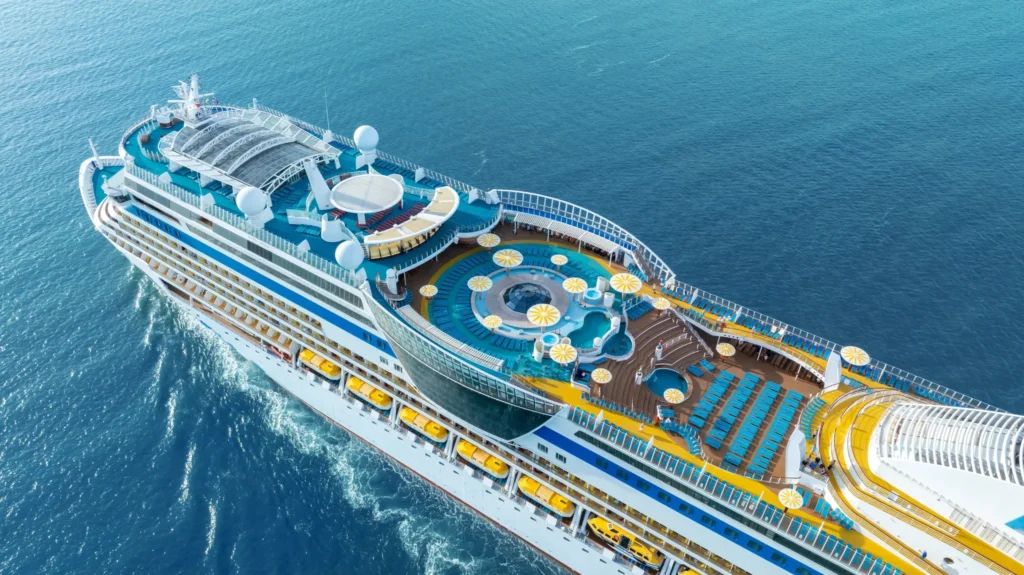

Introduction – Working on a Cruise Ship
For many people, the idea of working on a cruise ship sounds like a dream. You travel the world, meet people from different cultures, and wake up in a new destination every few days. Social media is full of stunning ocean sunsets, exotic ports, and crew celebrations. However, behind the scenes, life at sea is structured, demanding, and highly professional.
Cruise ships operate like floating cities. They require hospitality teams, engineers, entertainers, medical staff, navigational officers, and many more specialists to keep everything running smoothly. Working on a cruise ship can be incredibly rewarding, but it also requires resilience, adaptability, and a strong work ethic.
If you are considering a career at sea, here is what it really takes to work on a cruise ship – including the roles available, the qualifications required, and the realities of life onboard.
What It Means to Work on a Cruise Ship
Working on a cruise ship is not the same as working in a hotel or restaurant on land. Cruise vessels operate 24 hours a day, seven days a week. Guests expect five star service, entertainment, safety, and comfort throughout their voyage.
Cruise ships such as those operated by major brands like Carnival Cruise Line and Royal Caribbean International employ thousands of crew members from dozens of countries. Teams live and work together in a structured hierarchy, often following maritime traditions and strict safety protocols.
Crew members typically work long shifts. A standard day may include 10 to 12 hours of work with few days off during a contract. However, contracts are usually time-limited, often lasting between three and nine months, followed by a break at home.
Life onboard combines hospitality, maritime operations, and international teamwork. You are not just doing a job – you are contributing to a complex ecosystem that ensures thousands of passengers enjoy a seamless holiday experience.
Common Cruise Ship Job Roles and Departments
Cruise ships are divided into several key departments. Each one plays a critical role in the ship’s operation.
1. Deck and Navigation Department
This department ensures the safe operation and navigation of the vessel. Roles include:
- Captain
- Staff Captain
- Officers of the Watch
- Able Seaman
- Safety Officers
These professionals are licensed maritime officers and seafarers responsible for navigation, compliance with maritime law, and emergency procedures.
2. Engineering Department
Engineers maintain propulsion systems, generators, water systems, and technical infrastructure. Roles include:
- Chief Engineer
- Electrical Engineer
- HVAC Technician
- Plumber
- Mechanic
Without this department, the ship cannot function. These are highly skilled, technical roles that require formal qualifications.
3. Hotel and Hospitality Department
This is the largest department on most ships. It includes:
- Housekeeping staff
- Restaurant servers
- Bartenders
- Guest services officers
- Culinary teams
Cruise ships operate multiple restaurants, bars, and room service operations. Hospitality staff ensure passengers receive premium service throughout their voyage.
4. Entertainment and Activities
Entertainment is a major part of cruise travel. Roles may include:
- Dancers and singers
- Musicians
- Cruise directors
- Youth program coordinators
- Fitness instructors
Some crew members even work on themed voyages or regional cruises. For example, smaller coastal trips such as those featured in this guide to a dolphin cruise Hilton Head Island adventure highlight how cruise experiences can vary widely in scale and focus.
5. Medical Department
Large cruise ships carry licensed doctors and nurses to provide onboard healthcare. These professionals must meet strict international medical standards.
Qualifications and Requirements to Work on a Cruise Ship
The qualifications required depend on the role. However, several general requirements apply to most positions:
Minimum Age
Most cruise lines require crew members to be at least 18 or 21 years old.
Language Skills
English is typically the primary working language onboard international cruise ships. Additional languages are a significant advantage.
Relevant Experience
Hospitality roles require prior experience in hotels, restaurants, or resorts. Engineering and deck roles require maritime training and certification.
Medical Clearance
Crew members must pass a medical examination confirming they are fit for duty at sea.
Background Checks
Security screening is mandatory. Cruise ships operate under international maritime law and strict passenger safety regulations.
For maritime roles specifically, international standards are governed by the International Maritime Organization. Their Convention on Standards of Training, Certification and Watchkeeping provides the global framework for seafarer qualifications. You can read more about these requirements on the official IMO STCW page.
Training, Certifications, and Safety Standards
Safety is the top priority on any cruise ship. Every crew member, regardless of role, must complete mandatory safety training.
STCW Certification
The Standards of Training, Certification and Watchkeeping certification is required for most crew members working at sea. It includes:
- Personal survival techniques
- Fire prevention and firefighting
- Elementary first aid
- Personal safety and social responsibility
This training ensures that every crew member can respond effectively in an emergency.
Safety Drills
Regular safety drills are conducted onboard. Crew members participate in lifeboat drills, evacuation simulations, and emergency response training.
Customer Service Training
Hospitality staff often receive brand specific service training to ensure consistency and guest satisfaction.
Cruise lines also follow international safety frameworks and environmental guidelines. Organisations like Cruise Lines International Association provide cruise industry standards and best practices. You can explore more about industry guidelines here.
How to Apply for Cruise Ship Jobs
The application process varies depending on the cruise line and role.
1. Apply Directly Through Cruise Line Websites
Major cruise lines have dedicated careers pages listing available roles. Candidates submit applications, attend interviews, and complete documentation before deployment.
2. Use Licensed Recruitment Agencies
Many cruise lines partner with approved recruitment agencies in different countries. These agencies help screen candidates and guide them through the process.
3. Prepare a Maritime Ready CV
Highlight relevant hospitality, technical, or maritime experience. Emphasise adaptability, teamwork, and multicultural communication skills.
4. Be Prepared for Interviews
Interviews often focus on customer service scenarios, teamwork examples, and your ability to handle long working hours.
Before applying, it is useful to research different types of cruise experiences and travel markets. Resources like travel industry insights and cruise trends can help you better understand how cruise tourism continues to evolve globally.
Is Working on a Cruise Ship Right for You?
Working on a cruise ship is not a typical nine to five job. It requires emotional resilience and flexibility.
The Pros
- Opportunity to travel internationally
- Competitive earning potential in certain roles
- Accommodation and meals typically provided
- Strong camaraderie among crew members
- Career progression within large cruise brands
The Challenges
- Long working hours
- Limited privacy
- Time away from family and friends
- Shared crew cabins
- Strict hierarchy and rules
Crew members live where they work. Personal space is limited. Internet access may be restricted or expensive. However, many former crew members describe the experience as life changing. They build global friendships, gain professional discipline, and develop cross cultural communication skills that benefit them for life.
If you thrive in fast paced environments, enjoy teamwork, and are comfortable with structured routines, cruise ship life could be an excellent fit.
Conclusion
Working on a cruise ship requires far more than a love of travel. It demands professionalism, endurance, and a commitment to safety and service excellence.
From navigational officers and engineers to entertainers and hospitality staff, every role contributes to the success of a voyage. Qualifications vary depending on the department, but safety certifications and adaptability are universal requirements.
Life at sea can be challenging. Long hours, shared accommodations, and time away from home are realities that should not be overlooked. However, for the right person, working on a cruise ship offers unmatched global exposure, valuable career experience, and the chance to be part of an international community unlike any other workplace.
Before applying, research thoroughly, ensure you meet certification requirements, and consider whether the lifestyle aligns with your long term goals. With preparation and the right mindset, a cruise ship career can be both professionally rewarding and personally transformative.
Frequently Asked Questions
What qualifications do you need to work on a cruise ship?
The qualifications depend on the role. Hospitality positions usually require relevant customer service experience. Technical and navigational roles require formal maritime training and certification. Most crew members must complete STCW safety training, pass medical examinations, and demonstrate strong English communication skills.
What is life like on a cruise ship for crew members?
Life onboard is structured and busy. Crew members work long hours and live in shared accommodations. However, they also gain opportunities to travel, build international friendships, and develop valuable professional skills. Social events, crew areas, and port visits provide balance during contracts.
How long are cruise ship work contracts?
Contracts typically last between three and nine months, depending on the role and cruise line. After completing a contract, crew members usually receive a break before signing on again. Some roles may have shorter rotational contracts, particularly in technical departments.
Also Read