
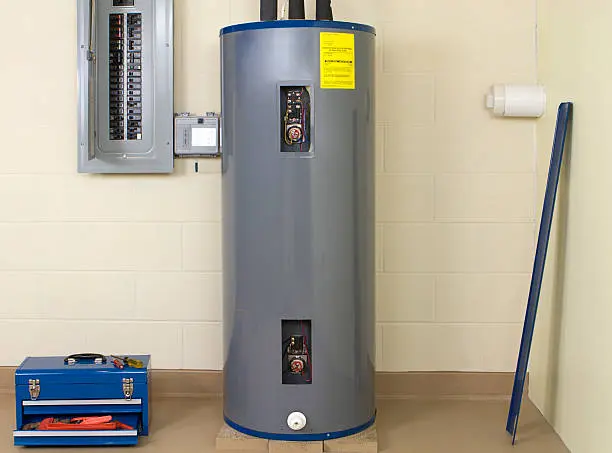

Choosing the right water heater size is one of the most important decisions homeowners make, yet it is often misunderstood. A unit that is too small runs out of hot water when you need it most. A unit that is too large wastes energy and increases your bills. The goal is simple: enough hot water for daily comfort, without excess cost or inefficiency.
This guide explains what size water heater you need, using clear language and real-life examples. You do not need technical knowledge to follow along. By the end, you will know how to match your household’s habits to the right water heater size with confidence.
Why Water Heater Size Matters More Than You Think
A water heater works quietly in the background. Because of this, many people only think about it when something goes wrong. Cold showers. Long waits. Rising energy bills.
The size of your water heater affects three key areas:
- Comfort – Consistent hot water for showers, washing, and cleaning
- Efficiency – Energy use that matches your real needs
- Cost – Lower monthly bills and fewer repairs
When the size is right, everything runs smoothly. When it is wrong, small problems become daily frustrations.
What “Water Heater Size” Really Means
Water heater size does not mean physical height or width. It refers to how much hot water the system can deliver during normal use.
There are two common measurements:
- Tank capacity – The amount of hot water stored at one time
- Hot water output rate – How quickly hot water is supplied
For most homes, tank size is the main factor. It is measured in gallons. Common sizes include 30, 40, 50, and 75 gallons.
Start With Your Household Size
The number of people in your home is the first and most important step in deciding what size water heater you need.
Here is a simple starting point:
- 1–2 people: 30–40 gallon water heater
- 2–3 people: 40–50 gallon water heater
- 3–4 people: 50–60 gallon water heater
- 5 or more people: 60–80 gallon water heater
This estimate works well for average water use. However, lifestyle matters just as much as headcount.
How Daily Habits Change Hot Water Needs
Two homes with the same number of people can have very different hot water demands. Habits shape usage more than most people realize.
Ask yourself these questions:
- Do multiple people shower back-to-back in the morning?
- Are baths used often?
- Is the dishwasher run daily?
- Do you wash clothes in hot water?
- Are there long showers instead of quick ones?
If the answer is “yes” to several of these, you may need a larger size than the basic chart suggests.
Understanding Peak Hot Water Demand
Peak demand means how much hot water your home uses at one time. This matters more than total daily use.
For example:
- One shower uses about 10 gallons of hot water
- A dishwasher uses around 6 gallons
- A washing machine can use 7–15 gallons
If someone showers while the dishwasher runs and laundry starts, hot water demand rises fast. This is where undersized systems struggle.
Choosing the right size water heater ensures hot water keeps flowing even during busy moments.
Tank Water Heaters Explained Simply
Tank water heaters store hot water and release it when needed. Once the tank empties, it must refill and reheat. This is why size matters.
Pros of Tank Water Heaters
- Lower upfront cost
- Simple operation
- Reliable performance
Cons to Keep in Mind
- Limited hot water supply
- Recovery time after heavy use
If you choose a tank system, sizing it correctly is critical to avoid cold water surprises.
Tankless Water Heaters and Size Considerations
Tankless systems heat water only when needed. They do not store water, but they still have limits.
Instead of gallons, tankless systems are sized by:
- Flow rate
- Number of fixtures used at once
They work best in homes with staggered use. If many taps run at the same time, even tankless systems can struggle.
For many families, tank heaters remain the simpler and more predictable option.
Common Signs Your Water Heater Is Too Small
If you already have a water heater, its performance offers clues about whether it fits your needs.
Watch for these warning signs:
- Hot water runs out quickly
- Water turns lukewarm during showers
- Long wait times for hot water to return
- Frequent complaints from household members
These are strong indicators that the current size does not match demand.
Signs Your Water Heater Is Too Large
Bigger is not always better. Oversized water heaters waste energy by heating water that never gets used.
Possible signs include:
- Higher energy bills than expected
- Hot water sitting unused for long periods
- Large unit for a small household
Right-sizing saves money and extends system life.
Climate and Water Temperature Matter
Incoming water temperature changes by location and season. Colder water requires more energy to heat.
In colder regions:
- Hot water demand feels higher
- Recovery time takes longer
- Slightly larger sizes perform better
This factor is often overlooked but plays a role in choosing what size water heater you need.
Future Planning: Think Beyond Today
When selecting a new water heater, think ahead.
Consider:
- Family growth
- Home expansions
- Additional bathrooms
- Lifestyle changes
Choosing a size that allows modest growth avoids early replacement later.
Energy Efficiency and Water Heater Size
Size and efficiency work together. A well-sized water heater uses less energy than an oversized or undersized one.
Efficiency benefits include:
- Lower utility bills
- Less strain on the system
- Longer service life
Energy-efficient models perform best when matched to the right household size.
Maintenance and Its Impact on Performance
Even the right size water heater performs poorly without maintenance.
Simple steps help maintain capacity:
- Annual flushing
- Temperature checks
- Inspection of connections
A neglected system may feel undersized even when it is not.
Mistakes Homeowners Often Make
Many sizing problems come from common misunderstandings.
Avoid these mistakes:
- Choosing the cheapest option without considering usage
- Replacing old units with the same size without reassessment
- Ignoring lifestyle changes
- Assuming bigger always means better
Smart decisions start with accurate information.
A Simple Checklist to Decide What Size You Need
Use this quick guide before buying:
- Number of people in the home
- Number of bathrooms
- Daily hot water habits
- Peak usage times
- Climate and incoming water temperature
Answering these gives a clear picture of what size water heater you need.
When to Ask for Professional Guidance
While this guide provides strong direction, expert advice ensures precision. A professional assessment considers:
- Plumbing layout
- Pressure levels
- Appliance compatibility
This step prevents costly mistakes and improves long-term satisfaction.
Final Thoughts: Comfort Starts With the Right Size
Choosing the right water heater size is about balance. Enough hot water for comfort. No wasted energy. No daily frustration.
By understanding household needs, daily habits, and peak usage, you can confidently decide what size water heater you need. The result is reliable performance, lower costs, and peace of mind.
A properly sized water heater is not just a home upgrade. It is a quality-of-life improvement that pays off every single day.