
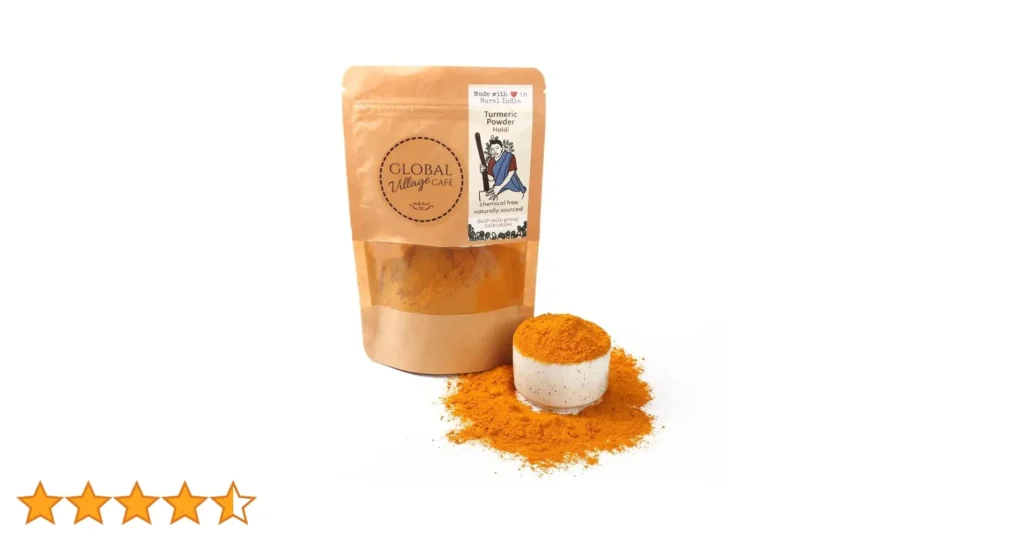

Across kitchens and spice trails worldwide, few ingredients have traveled as widely as turmeric and cardamom. Known for their warm flavors and aromatic depth, these two spices hold a treasured place in both culinary history and modern wellness traditions.
This global spice collection is more than just flavor; it’s a heritage. It is a tradition, and culture, all packed into tiny, golden, and green pods of magic.
A Golden Root:
Turmeric, often referred to as “golden spice” in ancient texts, has a history dating back thousands of years. Native to South Asia, this bright yellow root is a member of the Zingiberaceae family, also known as the ginger family. Turmeric powder is used in many cuisines, such as in soup and pickles.
Where It Shines
- South Asian cuisine: Used in curry blends, soups, and pickles
- Middle Eastern dishes: Added to stews, meats, and rice recipes
- Western kitchens: Popular in golden milk, smoothies, teas, and marinades
Turmeric’s earthy, slightly bitter flavor and warm aroma enrich dishes. Additionally, it is adding a vibrant hue that symbolizes energy and celebration in many cultures.
Cultural Significance
From weddings and festivals to temple rituals, turmeric plays a vital role in South Asian culture. It symbolizes purity and is frequently used in skin treatments.
Cardamom:
Cardamom, often referred to as the “Queen of Spices,” is prized for its exotic aroma. Whether in its classic green pods or smoky black variety, cardamom has been prized since ancient trade routes.
Aromas Across Continents
- South Asian cuisine: Enhances desserts and chai. Also, it is extensively used in rice dishes.
- Middle Eastern sweets & coffee: Adds floral warmth to pastries and spice mixes
- Nordic baking traditions: Used in breads, pastries, and holiday treats
Its fragrant, floral character makes cardamom a luxury spice, loved for its delicate richness. It adds to both sweet and savory dishes.
More Than Flavor
Cardamom pods have long been valued not only in cuisine but also in natural wellness practices. Many ancient cultures believed it supported digestion and freshened the breath. It is often chewed after meals as a natural purifier.
When Turmeric Meets Cardamom?
While each spice has its own story, the harmony between turmeric and cardamom is undeniable. They often appear together in:
- Traditional rice dishes
- Herbal teas and warm tonics
- Aromatic stews and curries
- Dessert preparations in various cultures
Together, they bring depth: turmeric adds warmth and earthiness. On the other hand, cardamom contributes sweetness and fragrance. It is a perfect balance of grounding and uplifting notes.
The Ancient Spice Routes:
The influence of turmeric and cardamom extended far beyond their places of origin due to ancient maritime and overland trade networks. These spices once traveled along the legendary Silk Road and Arabian trade routes, carried by merchants who recognized their extraordinary value.
Turmeric was prized for its vibrant color and aroma, while cardamom became a luxury spice traded alongside cinnamon and cloves. At one point in history, cardamom was considered as valuable as precious metals, often gifted among nobility and reserved for grand feasts and ceremonies.
Through centuries of cultural exchange, these spices found their way into royal kitchens. They are great for traditional apothecaries and eventually household cooking around the globe.
From Traditional Medicine to Modern Kitchens
Turmeric’s popularity has surged in recent times due to growing interest in natural ingredients and the global popularity of cuisine. It has been used in traditional wellness practices for centuries. It is often consumed in the form of pastes and infusions, which are believed to support vitality.
In contemporary cooking, turmeric is appreciated not only for its flavor but also for its versatility. It can be blended into soups or roasted onto vegetables. Additionally, this can be used mixed with rice or stirred into warm beverages to create a comforting golden drink. The mildly earthy taste pairs well with spices such as ginger, cinnamon, and coriander, making it a foundational component in many spice blends worldwide.
The Aromatic Bridge Between Sweet and Savory
Cardamom’s versatility is equally impressive. In many cultures, it is a daily staple used in tea, coffee, and desserts. Its sweet floral aroma gives life to milk-based puddings, rice dishes, and slow-cooked stews.
What makes cardamom unique is its ability to transition seamlessly between sweet and savory preparations. It can elevate baked breads, enhance roasted meats, and even be infused into drinks for a delicate aromatic finish.
How to Store and Use These Spices at Home?
Proper storage preserves the quality and potency of spices. Store turmeric and cardamom in airtight containers, keeping them out of direct sunlight and away from heat sources. Whole pods and dried roots retain flavor longer than ground spices. When possible, grind cardamom seeds fresh and select turmeric powder with a deep golden color and earthy fragrance.
When cooking with turmeric, adding a source of fat or heating it gently helps unlock its depth. Cardamom pods can be lightly crushed before use to release essential oils.
The Science Behind Their Distinctive Aromas and Colors
The unique characteristics of turmeric and cardamom come from potent natural compounds.
- Turmeric contains curcumin, which gives it its bold yellow color and earthy tone.
- Cardamom contains aromatic compounds, such as cineole and terpinene, which are responsible for its sweet, floral, and slightly minty fragrance.
These natural elements influence how each spice behaves in the cooking process. Turmeric infuses dishes with deep color and warmth, while cardamom releases delicate aromatics that enhance both sweet and savory foods without overpowering them.
Understanding these properties helps home cooks and food enthusiasts use each spice more intentionally.
Final Thoughts:
Even as global cooking evolves, these spices remain essential. These are cherished for their ability to enrich food and daily life. Whether used sparingly or as signature flavors, turmeric and cardamom continue to shape traditions worldwide.
They remind us that food is more than a recipe. It is a heritage, a community, and a story. With every sprinkle or pod, we participate in centuries of culinary wisdom experience.
Also Read-Advancing Practice Efficiency with Greenway Health Integration