

Family violence is a serious issue that the state of Georgia addresses through both legal action and mandated education programs. Among these is the Family Violence Intervention Program (FVIP), a court-ordered requirement for many defendants in family violence cases. If you or someone you know has been ordered to complete the FVIP, understanding the process is crucial for navigating the legal system and moving forward. For those seeking legal guidance, connecting with a qualified Georgia family violence defense attorney can help clarify your rights and obligations through this process.
The FVIP is meant not only as a punitive measure but also as an opportunity for education, accountability, and long-term behavior change. By participating in these programs, individuals are given tools to break the cycle of abuse and protect their families from further harm.
Whether you are facing a court order or supporting someone who is, it is vital to understand the structure, expectations, and long-term impact of the Family Violence Intervention Program. This guide covers the essentials of the program in Georgia and what participants can expect at each step.
Enrolling in the FVIP can be a daunting and sometimes emotional process. However, with the right support and resources, it can also become a turning point toward healthier family dynamics and personal accountability.
What is the Family Violence Intervention Program?
The Family Violence Intervention Program in Georgia is a state-certified educational program designed for individuals who have been charged with or convicted of family violence-related offenses. The goal of FVIP is to provide education and intervention, helping participants recognize and change abusive behaviors. The program is structured to address the root causes of family violence and encourage accountability, empathy, and respect within relationships. The Georgia Commission on Family Violence oversees FVIP certification and ensures that all programs follow state-mandated standards, making it an integral component of Georgia’s legal response to family violence.
Who Has to Attend FVIP?
Individuals ordered to attend the FVIP are typically those who have been convicted of crimes such as battery, simple assault, stalking, or other violent offenses involving family or household members. Sometimes, participation in the FVIP may be ordered as a condition of probation or as an alternative to incarceration. In many cases, successful completion is required before a person can regain certain rights, such as child visitation or firearm possession, depending on the nature of their conviction.
Program Structure and Requirements
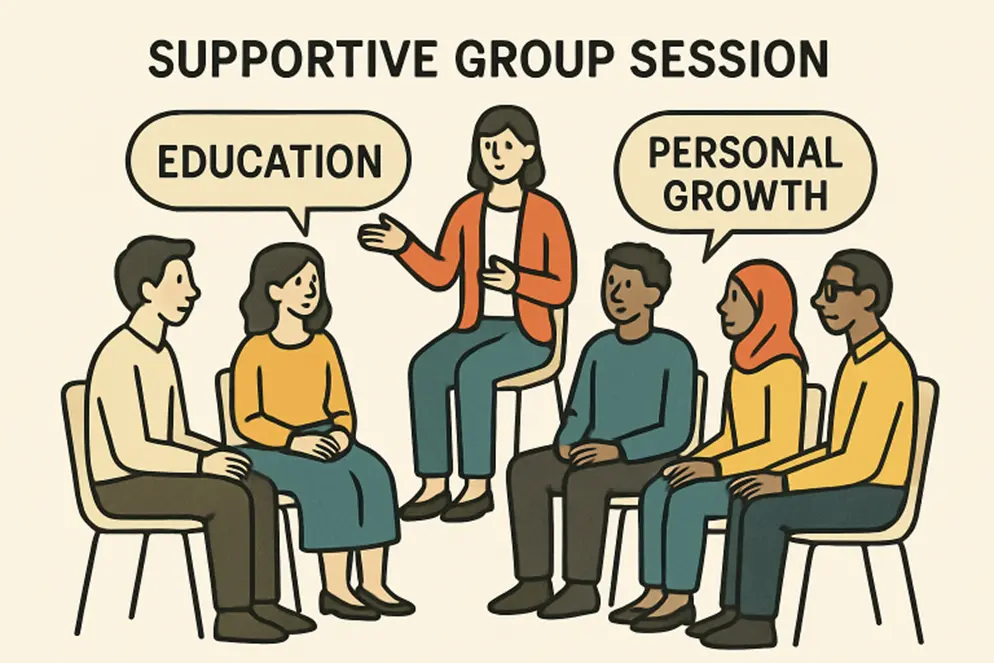
The FVIP is not a one-time class. The state of Georgia requires that participants attend a minimum of 24 weekly sessions, conducted over at least 24 weeks, though some programs can extend to 27 weeks or longer. Each session generally lasts about 90 minutes. The group setting allows for open discussion, education, and support under the guidance of a certified facilitator. Attendance is strictly monitored, and participants are expected to arrive on time and complete all sessions without absences unless excused for emergencies. The program also typically charges a weekly fee, which the participant must pay.
Typical Curriculum and Topics
The FVIP curriculum is based on evidence-informed strategies shown to reduce the likelihood of reoffending. Key topics include understanding the dynamics of power and control, the effects of violence on partners and children, healthy communication, accountability, and self-regulation techniques. Each participant is encouraged to engage in self-reflection and practice alternative behaviors that foster supportive, nonviolent relationships. Facilitators may use role-play, scenario-based discussions, and educational materials from recognized organizations, such as the Centers for Disease Control and Prevention.
Compliance and Consequences for Non-Completion
Compliance with the FVIP is mandatory for individuals ordered to complete it. Failure to attend sessions, participate fully, or pay required fees can result in legal consequences, including probation violations, court fines, or even incarceration. The court receives regular reports on attendance and progress, so it is crucial for participants to communicate with their probation officer or attorney if issues arise. Completing the program can demonstrate to the court a commitment to change and may positively influence future legal considerations.
Expected Outcomes and Potential Benefits
Those who successfully complete the Family Violence Intervention Program often report improved self-awareness, better interpersonal skills, and a greater understanding of the impact of their actions on family members. In the best-case scenarios, participation can lead to healthier relationships, reduced recidivism, and a restored sense of personal responsibility. For some, completion may also be a step toward rebuilding trust with loved ones and integrating more effectively into the community.
Finding Additional Support
While the FVIP is a cornerstone of Georgia’s approach to addressing domestic violence, supplemental support is often beneficial. Many individuals find counseling, support groups, or therapy for anger management or substance abuse to be valuable alongside or after their FVIP participation. National organizations like the National Domestic Violence Hotline offer resources for individuals affected by family violence, whether as victims or offenders seeking to make positive change.
Navigating the Family Violence Intervention Program can be challenging, but it also presents an opportunity for growth and long-term change. Support from legal professionals, counselors, and certified facilitators plays a crucial role in each participant’s journey to healthier, violence-free relationships.