

Older New England houses often carry layers of architectural history in their exterior walls. Cedar clapboards, shingles, detailed trim, and narrow corner boards give many homes their familiar coastal character. Age, moisture, insects, peeling finishes, and repeated repairs eventually force a difficult choice: preserve the original cedar, replace damaged sections, or install a different material across the house.
People researching cedar siding house rhode island often want to protect historic character without accepting endless upkeep. Siding installation should begin with a close review of the existing walls, sheathing, flashing, trim, and moisture patterns. The right choice depends on how much original material remains sound and how closely the finished exterior should match the home’s period style.
Why Cedar Became a New England Standard
Cedar has long been valued for its natural resistance to decay, light weight, and ability to accept stains and paint. Clapboards and shingles also work well with traditional architectural details found on Colonial, Cape Cod, Victorian, and coastal homes.
Its appearance changes as it ages. Unfinished cedar may weather to a silver-gray tone, while painted or stained boards need regular care. Salt air, wind-driven rain, snow, and strong seasonal temperature shifts place extra stress on exposed walls.
When Existing Cedar Is Worth Preserving
Original cedar may remain useful when most boards are firm, flat, and securely fastened. Localized rot near windows, rooflines, or lower wall sections may be repaired without removing every course. Matching board dimensions and profiles keeps the finished work visually consistent.
The National Park Service encourages repair of historic exterior materials where practical and replacement in kind when deterioration is too extensive. That approach protects original details while allowing damaged sections to be renewed.
Signs Replacement Has Become the Better Choice
Widespread splitting, soft wood, recurring paint failure, loose shingles, insect damage, and repeated water entry suggest that patching may no longer provide lasting value. Hidden sheathing damage may also appear after old siding is removed.
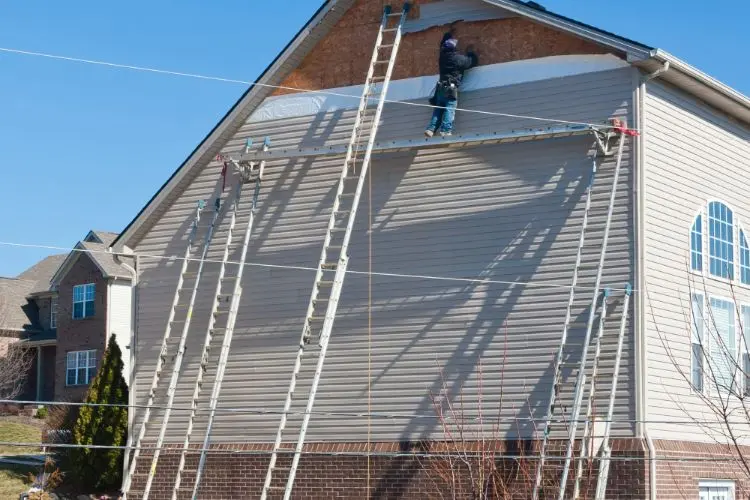
A full siding installation offers an opportunity to inspect wall conditions, update flashing, correct drainage paths, and add a proper weather barrier. Those steps matter as much as the visible siding because trapped moisture often causes the most expensive damage.
Cedar Compared With Lower-Maintenance Materials
New cedar remains available in clapboard, shingle, and shake profiles. It offers authentic texture and works especially well on older houses where preserving architectural character matters. Its tradeoff is ongoing maintenance. Paint or stain schedules vary with exposure, finish quality, and local weather.
Vinyl requires less routine care and comes in many profiles, though its appearance may feel less natural on highly detailed historic homes. Fiber cement offers a painted wood-like look with strong resistance to moisture, insects, and fire. Engineered wood provides another option with lighter weight and factory-applied finishes.
Choosing among them requires more than comparing price. Trim depth, window details, wall movement, ventilation, and neighborhood character all affect the final result.
What Happens When Cedar Gets Wet
Cedar tolerates normal weather exposure, but repeated saturation creates trouble. Boards may swell, cup, split, or hold moisture against the wall. Peeling paint often signals that moisture is entering from behind the siding or escaping from inside the house.
Pressure washing deserves caution. Strong pressure may scar soft wood, force water behind boards, and lift loose finishes. Gentle cleaning methods and controlled rinsing are safer for aging cedar surfaces.
Planning Around Historic Details
Older houses often include trim profiles that are difficult to duplicate. Corner boards, window casings, water tables, soffits, and decorative bands should be measured before removal. Photos and labeled samples create a useful reference during the work.
Siding installation on a historic home should also account for uneven walls. New materials may reveal waves or dips that old siding concealed. Furring, selective sheathing repair, and careful layout may produce straighter courses without erasing the building’s original character.
Cost Factors That Shape the Project
House size is only one part of the estimate. Material choice, removal, disposal, wall repairs, trim work, flashing, number of stories, access, dormers, porches, and architectural details all influence the total.
A 1,500-square-foot house and a 2,500-square-foot house may have very different wall areas because roof shape, height, and additions change the amount of siding required. A detailed proposal should separate material, labor, trim, repairs, and possible hidden damage.
Timing the Work in Rhode Island
Spring through fall usually offers the broadest working window, though weather remains unpredictable. Dry stretches are useful for exposing walls and completing finish work. Urgent rot or active leaks should not wait for a preferred season.
Early planning gives more time to review samples, compare profiles, confirm lead times, and coordinate any painting or historic review requirements.
Conclusion
Aging cedar does not automatically require full removal. Sound boards may be repaired, damaged sections may be matched, and complete replacement may be reserved for widespread deterioration. The strongest decision balances historic character, maintenance, moisture control, and long-term performance.
Rhode Island Siding & Exteriors evaluates cedar condition, trim details, wall damage, and replacement options before outlining the work. Schedule an exterior assessment for a clearer path toward siding installation that respects the home’s age and architecture.
Also Read-How Combining Home and Auto Insurance Can Simplify Your Life