

Key Takeaways
- Identify common sources of heavy metal exposure in homes and diets.
- Make practical and informed choices to minimize toxic metal absorption.
- Stay vigilant with health monitoring and keep informed using trusted resources.
Many people are surprised to learn just how common heavy metals like lead, mercury, and arsenic are in daily life. From aging water pipes to some household items and even everyday foods, these toxic substances can find their way into our bodies, causing a range of serious health concerns. Fortunately, with a focused approach to reducing potential exposure and adopting effective lifestyle habits, you can take significant steps toward better protecting yourself and your family. Early intervention and informed actions, including exploring specialized heavy metal toxicity treatment when appropriate, can make a substantial difference in long-term health outcomes.
Awareness is key: knowing where heavy metals originate and how they accumulate empowers you to make smarter choices in various aspects of daily life. By prioritizing clean water, safe household products, and prudent dietary selections, you minimize risks and actively support your well-being. Addressing exposure isn’t only about avoidance; it’s also about regular monitoring and education to recognize and swiftly manage any risks that do arise.
Common Sources of Heavy Metals
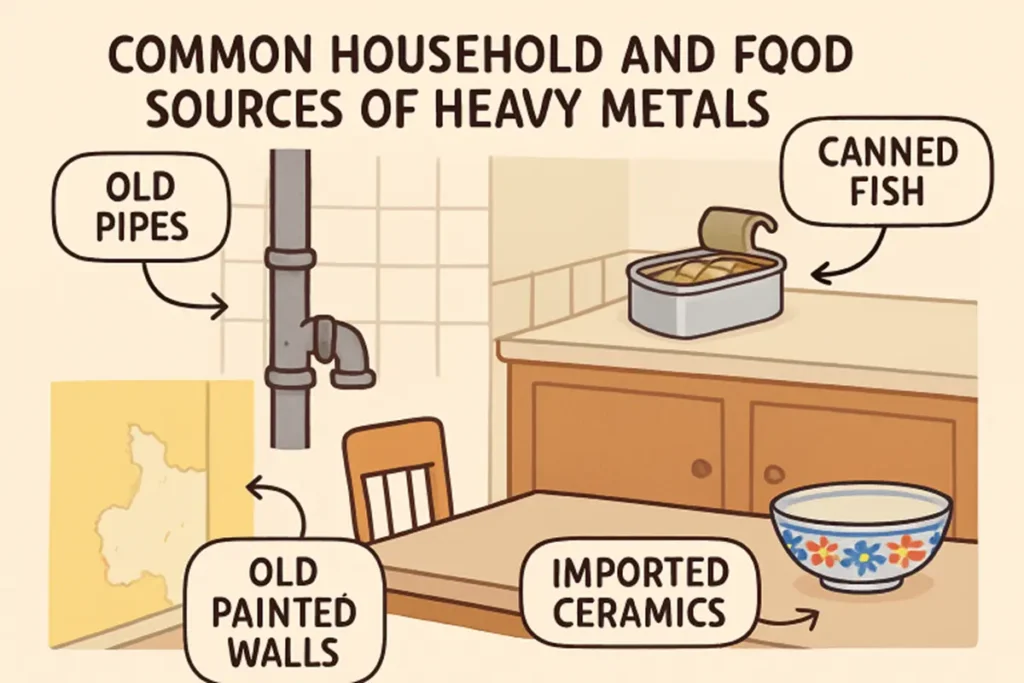
Understanding likely sources is a critical first step in reducing your daily exposure to heavy metals. Lead, mercury, and arsenic are still encountered far too often in modern environments due to lingering pollution and outdated manufacturing standards. For example, water can become contaminated by lead pipes or industrial runoff, while large predatory fish may accumulate mercury from polluted ecosystems. Additionally, everyday items such as old household paint, imported ceramics, and even some makeup brands can contribute to low-level, regular exposure that accumulates over time.
According to the World Health Organization, children are particularly vulnerable to the effects of heavy metals, underscoring the importance of vigilance, especially in homes built before the late 1970s or in regions with less regulation.
Dietary Choices to Reduce Exposure
What you eat can play a major role in your cumulative intake of heavy metals. Making thoughtful dietary changes is an effective way to reduce risk significantly. Choosing organic fruits and vegetables, for example, can help eliminate some pesticides and fertilizers that may contain heavy metals and other toxins. For seafood lovers, favoring smaller fish such as sardines, anchovies, and wild-caught salmon, which occupy lower positions in the food chain, will typically mean less exposure to mercury or PCBs than larger species like swordfish or tuna.
Rotating the variety of foods you consume not only ensures balanced nutrition but also helps prevent repeated exposure to a single contaminated source. If you’re concerned about dietary toxins or pollutant risk, the U.S. Food & Drug Administration regularly publishes advice for consumers on safe seafood and food handling practices.
Safe Cooking and Storage Practices
How food is prepared and stored can contribute considerably to exposure. Avoid cookware and utensils made with unsafe metals and non-stick surfaces coated with potentially harmful chemicals like PFOA and PFOS, which can leach into food at high heat. Opt instead for pots and pans made from stainless steel, ceramic, or cast iron, which do not pose the same risk. For storing leftovers or meal prep, select glass or stainless steel containers, as plastics can sometimes harbor additional contaminants or foster bacterial growth.
Tips for Safer Cooking and Storage
- Discard any cracked or old cookware, especially non-stick surfaces from before 2013.
- Thoroughly wash fresh produce to remove soil residues that may contain metals.
- Use filtered or bottled water, especially for preparing infant formula.
Household Products and Heavy Metals
Multiple household items may inadvertently serve as sources of heavy metal exposure if not selected carefully. Older homes can still contain lead-based paints, especially if renovations have disturbed older surfaces. Always have suspected paint tested and handled professionally if remediation is required. Cosmetics and personal products are another concern; stick to trusted brands or seek out products certified as free from heavy metals like cadmium and mercury. Additionally, avoid using certain imported or antique ceramics for food or drink, as their glazes can contain lead.
Water Quality and Filtration
Clean water is a cornerstone of health, and unfortunately, heavy metals can easily breach water supplies. Lead can enter drinking water through old pipes, while arsenic contamination is a risk in some geographical areas due to natural mineral deposits. Test your water regularly with an at-home test kit or have it checked by a professional lab. If necessary, install a water filtration system that explicitly states certification for heavy metal removal. The U.S. Environmental Protection Agency recommends using filters tested to ANSI/NSF standards to reduce metals such as lead and arsenic.
Monitoring and Regular Check-ups
Health monitoring should be part of any long-term plan to reduce exposure. Blood, urine, or hair analysis can provide an accurate snapshot of heavy metal levels, particularly if you live in a high-risk area or have unexplained symptoms. Scheduling regular check-ups with your healthcare provider and sharing concerns about potential environmental exposures helps ensure timely detection and intervention if needed. In some regions, local government agencies may also offer screenings during public health campaigns.
Educational Resources and Awareness
Knowledge truly is power when it comes to heavy metal exposure. Utilize reputable online resources and stay current with health advisories issued by governmental and leading health organizations. The U.S. Environmental Protection Agency offers comprehensive guides for families and schools to help reduce children’s exposure to environmental contaminants. Additionally, ongoing research continues to clarify the long-term links between heavy metals and various health conditions, including heightened cardiovascular risk and developmental challenges.
By remaining proactive and educated, you can keep yourself and your loved ones safer from the hidden dangers of heavy metals in daily life.