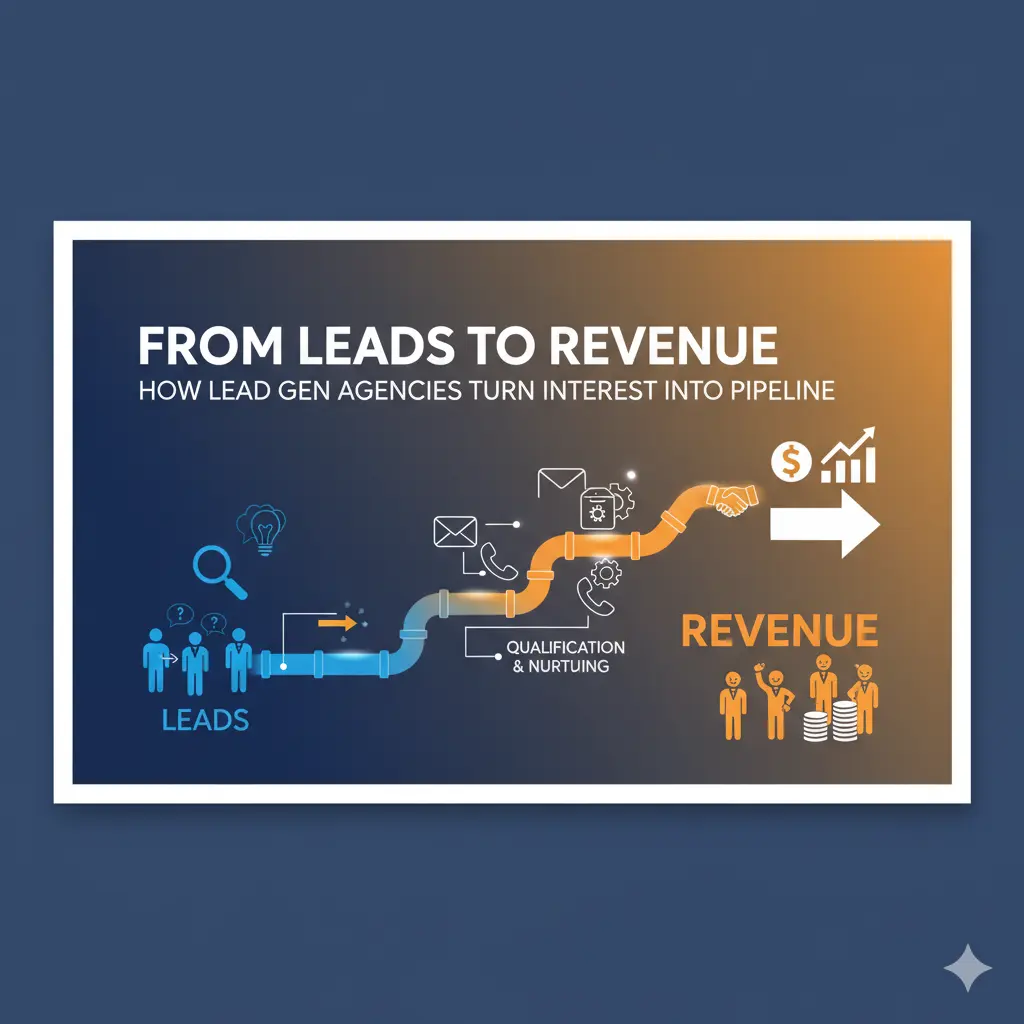

Ever feel like your sales pipeline is a leaky bucket, constantly needing to be refilled with fresh prospects, but few truly make it to the bottom? You’re not alone. Many businesses struggle with converting initial interest into tangible, qualified leads that actually close. In fact, a significant 61% of marketers say generating traffic and leads is their biggest challenge (HubSpot) (Source).
But what if there was a way to not just fill that bucket, but to seal the leaks, streamline the flow, and ensure only the most promising prospects enter your pipeline? That’s where a specialized lead generation agency comes in. They’re not just about getting more names; they’re about getting the *right* names, turning fleeting interest into a predictable revenue stream.
The Journey From Prospect to MQL
Think about the typical customer journey. It often starts with a whisper, a casual search, or a brief interaction. For most businesses, capturing that initial whisper and nurturing it into a sales-ready conversation feels like trying to catch smoke. This is the chasm between a raw prospect and a Marketing Qualified Lead (MQL).
A prospect is simply someone who might be interested, maybe they downloaded an ebook, or visited a few pages on your site. An MQL, however, is a prospect who has demonstrated a higher level of engagement and fits your ideal customer profile, signaling they’re more likely to become a paying customer. It’s a crucial distinction, and one many in-house teams often miss, leading to wasted sales efforts.
A seasoned lead generation agency understands this journey intimately. They’ve got the tools and expertise to identify those subtle signals, score leads based on their potential, and nurture them effectively. They’ll build a robust framework that takes a curious visitor and guides them through a well-defined path, ensuring they’re ready for a sales conversation when the time is right. This isn’t about guesswork; it’s about data-driven precision.
For example, a visitor who downloads a whitepaper on “Advanced CRM Features” and then revisits your pricing page multiple times is a far more qualified lead than someone who just clicked on a display ad. Recognizing these behaviors and acting on them promptly is what transforms a generic inquiry into a valuable MQL. And that’s a game-changer for your sales team, who can then focus their energy on prospects genuinely ready to engage.
The journey often involves several touchpoints:
- Initial content engagement (blog posts, social media)
- Resource downloads (ebooks, guides, templates)
- Webinar or event registrations
- Repeated website visits or specific page views
- Direct inquiries or demo requests
By mapping these interactions, lead generation companies can create a clearer picture of a prospect’s intent and readiness. This systematic approach reduces the guesswork and significantly improves the quality of leads handed over to sales. In fact, businesses that use lead scoring see a 77% higher lead generation ROI than those that don’t (MarketingProfs) (Source).
How Agencies Shorten the Sales Cycle
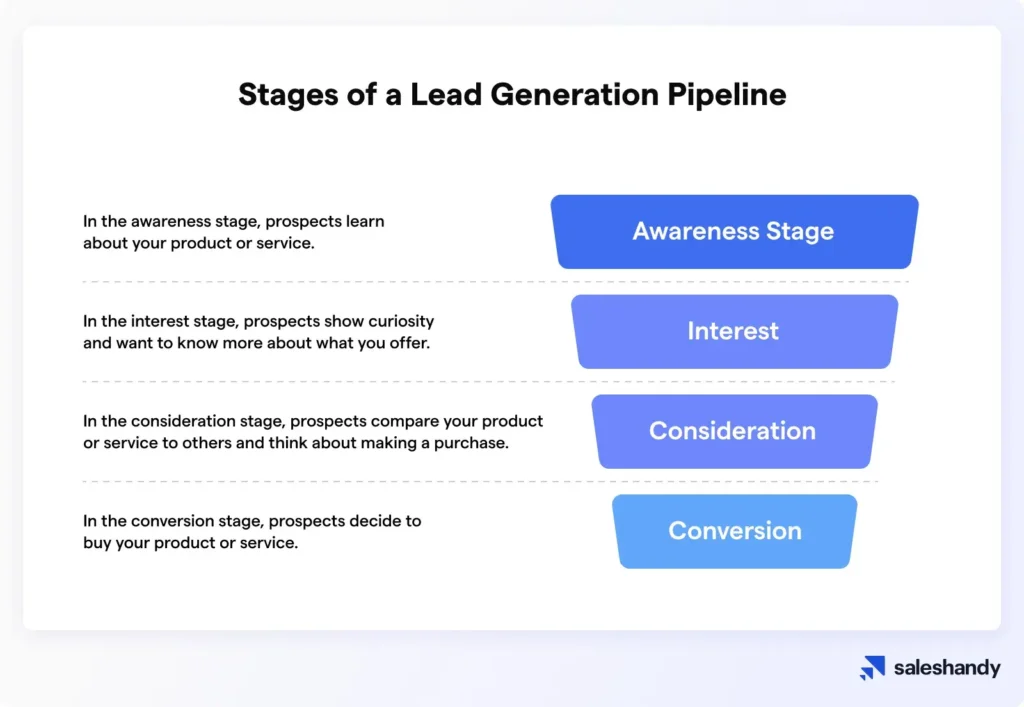
Once you’ve got a solid MQL, the next hurdle is the sales cycle itself. For many B2B companies, this can feel like a marathon, with multiple decision-makers, lengthy evaluations, and endless follow-ups. But what if you could shave weeks, or even months, off that process? That’s precisely what a proficient lead gen agency aims to do.
They don’t just hand over a list; they deliver context. By the time an MQL reaches your sales team, an agency ensures they’re already well-informed, engaged, and often pre-qualified against your specific criteria. This means your sales reps aren’t starting from scratch; they’re picking up a conversation already in progress, with a prospect who understands your value proposition and has a defined need.
This deep understanding comes from sophisticated targeting and nurturing strategies. A good lead generation agency doesn’t just cast a wide net; they use advanced analytics and segmentation to identify ideal customer profiles, ensuring every marketing effort is directed at the right people. They also leverage automation to keep prospects engaged with relevant content, addressing potential objections and building trust long before a sales call even happens.
Consider a scenario where a potential client for a B2B software solution has been engaging with content about “integrating AI into sales workflows” and “CRM automation.” When a sales rep contacts them, they’re not just selling software; they’re offering a solution to specific problems the prospect has already shown interest in. This targeted approach significantly reduces the time spent educating and convincing, accelerating the path to a closed deal. That’s the kind of proactive, insight-driven work a specialist lead generation agency brings to the table.
Campaign Mapping for Enterprise Growth
For larger organizations, shortening the sales cycle isn’t just about individual leads; it’s about scaling the entire pipeline. This requires a strategic, holistic approach, often referred to as campaign mapping. It’s about designing a coherent, multi-channel strategy that aligns marketing and sales efforts from initial awareness to final conversion.
A skilled lead gen agency will collaborate with your team to map out the entire customer journey, identifying key touchpoints, content needs, and conversion opportunities. They’ll consider everything from top-of-funnel awareness campaigns (think targeted LinkedIn ads or thought leadership content) to middle-of-funnel nurturing (like personalized email sequences and case studies) and bottom-of-funnel conversion tactics (such as demo offers and free trials). This ensures a seamless handoff between marketing and sales, reducing friction and improving efficiency.
They might use a combination of tactics, including:
- Account-Based Marketing (ABM): Focusing on specific high-value accounts with tailored messaging.
- Content Syndication: Distributing high-value content across relevant industry platforms to capture qualified interest.
- PPC and Social Media Ads: Precision targeting to reach specific demographics and firmographics with compelling offers.
- Email Nurturing Sequences: Automated, personalized emails designed to guide prospects through the sales funnel.
- Local Lead Generation Strategies: For businesses with geographical targets, optimizing for local search and community engagement.
This isn’t just about throwing spaghetti at the wall to see what sticks. It’s about creating a predictable, repeatable system for generating high-quality leads that are primed for conversion. Platforms like BrandBooster.ai, a data-driven lead generation agency, for instance, help businesses automate lead pipelines and improve conversion quality using AI insights, which can be particularly effective for enterprise-level campaigns where scale and precision are paramount.
By mapping out these campaigns, agencies can identify bottlenecks, optimize performance, and ensure every marketing dollar is working hard to bring in revenue. And that’s a pretty smart way to grow, isn’t it?
Measurable ROI Metrics
Okay, so we’ve talked about getting better leads and shortening the sales cycle. But how do you actually know if it’s working? This is where measurable ROI metrics come into play. A truly professional lead generation service doesn’t just promise results; they prove them with data.
They’ll establish clear KPIs (Key Performance Indicators) from the outset, tracking everything from lead volume and quality to conversion rates and, ultimately, the revenue generated. You’ll get detailed reports that show exactly how your investment is translating into tangible business growth. This transparency is crucial because it allows for continuous optimization and ensures you’re getting the best possible return.
What kind of metrics are we talking about? Well, beyond the obvious lead counts, you should be looking at:
- Cost Per Lead (CPL): How much does it cost to acquire each new lead?
- Lead-to-MQL Conversion Rate: What percentage of raw leads become qualified?
- MQL-to-SQL Conversion Rate: How many qualified leads become Sales Qualified Leads (SQLs)?
- SQL-to-Customer Conversion Rate: The ultimate metric – how many SQLs close?
- Customer Lifetime Value (CLV): The total revenue a customer is expected to generate over their relationship with your business.
- Marketing ROI: The revenue generated directly attributable to marketing efforts, minus the cost.
By focusing on these metrics, you move beyond subjective feelings about marketing effectiveness and into a realm of objective, data-backed decision-making. You’ll understand which channels are performing best, which campaigns are driving the most profitable leads, and where there are opportunities for further improvement. For instance, companies that track their ROI on marketing efforts are 1.6 times more likely to increase their marketing budgets (Statista) (Source).
This isn’t just about vanity metrics; it’s about understanding the true impact on your bottom line. It’s about ensuring that every lead generated by your chosen lead gen agency isn’t just a number, but a step closer to achieving your revenue goals. And that kind of measurable impact? That’s what truly defines a successful partnership.


