

Understanding Complementary Therapies
As people seek more holistic ways to achieve better health and well-being, complementary therapies have gained prominence for their ability to support overall well-being. These therapies are designed to work in harmony with conventional medicine, creating a more integrative approach that attends not just to physical symptoms but also to emotional and spiritual health. By choosing practices that nurture every aspect of the self, individuals often experience greater fulfillment and resilience during challenging times. For example, holistic hospice care utilizes these therapies to support patients’ comfort and dignity, as well as that of their families.
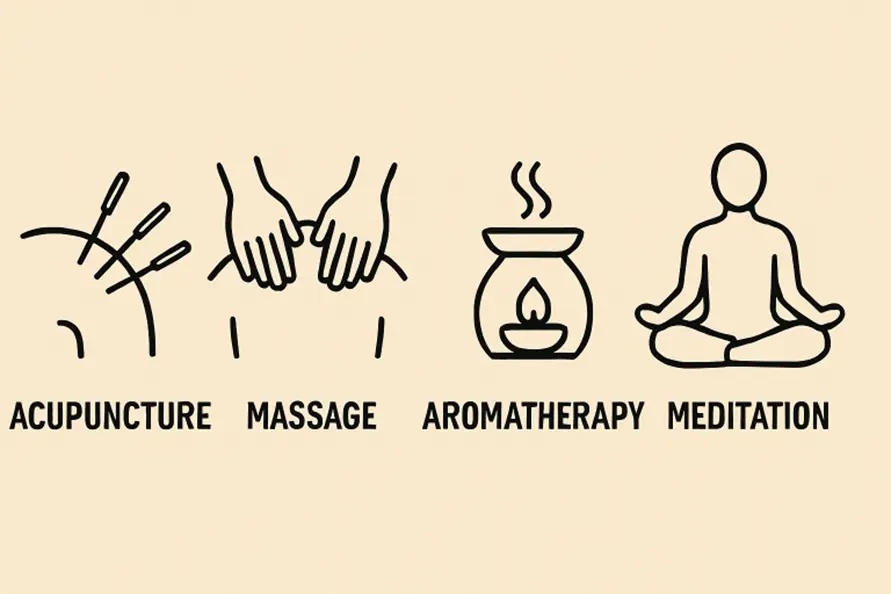
Complementary therapies encompass a diverse range of methods, including acupuncture, massage therapy, aromatherapy, and mindfulness-based practices. These therapies often target pain relief, stress reduction, and emotional support, improving overall quality of life for those living with chronic illness, recovering from injury, or seeking preventive care.
Unlike alternative medicine, which seeks to replace standard treatments, complementary therapies are used in conjunction with established medical practices. Their focus is on harmonizing mind, body, and spirit to help individuals manage symptoms, enhance recovery, and maintain optimal well-being.
Many reputable healthcare institutions now incorporate complementary therapies into their patient programs, a testament to their growing acceptance and integration into mainstream medicine. The American Cancer Society recognizes several complementary approaches as safe and effective for many patients, particularly for symptom management and improving quality of life.
Acupuncture: A Time-Honored Practice
Acupuncture, a long-established practice in traditional Chinese medicine, involves the precise insertion of fine needles at specific points on the body to regulate the flow of energy, or “qi.” This centuries-old practice is increasingly recognized in Western medicine for its scientifically backed ability to alleviate pain, reduce stress, and improve mobility. According to research published in NIH Research Matters, acupuncture has shown significant results in treating chronic pain conditions and helping patients reduce dependence on painkillers.
Individuals undergoing acupuncture often notice an overall sense of relaxation and increased vitality. Reported benefits among care home residents include fewer aches, improved sleep, and emotional balance—all vital to promoting comfort, especially in palliative or elder care situations.
Massage Therapy: Beyond Relaxation
More than just a luxury, massage therapy delivers profound health benefits to those experiencing muscle tension, pain, or anxiety. Scientific studies have supported massage’s ability to not only provide immediate relief but also improve circulation, promote lymphatic drainage, and foster emotional well-being. For seniors and patients with chronic conditions, regular massage therapy can help ease joint stiffness, support recovery from injury, and reduce feelings of isolation.
Massage in Care Homes
Many modern care facilities incorporate massage into wellness programs for residents. Gentle massages cater especially to older adults or those with chronic pain, providing comfort and a sense of human connection that is as important as physical relief.
Aromatherapy: Engaging the Senses
Aromatherapy harnesses the natural power of essential oils and aromatic compounds to relieve discomfort, elevate mood, and encourage relaxation. In therapeutic settings, lavender, peppermint, and chamomile oils are commonly used to reduce anxiety, alleviate nausea, and create a calming environment—beneficial for both patients and caregivers. Care homes often incorporate aromatherapy into their daily routines to improve sleep quality and enhance overall emotional well-being among residents. Peer-reviewed research from sources such as the Mayo Clinic illustrates the power of scents in addressing issues like insomnia, agitation, and mild depression in individuals of all ages.
Mindfulness and Meditation: Cultivating Inner Peace
Mindfulness and meditation are increasingly utilized in healthcare and wellness settings to help individuals find calm amid stress and uncertainty. Practicing mindfulness involves focusing on the present moment without judgment, while meditation teaches the mind to relax and let go of racing thoughts. Both techniques are linked to physical improvements, such as lower blood pressure and decreased cortisol levels, as well as enhanced mental clarity.
These practices are particularly beneficial in care settings, where patients may face anxiety about changes in health or uncertainty about the future. Simple breathwork or guided meditation sessions can create a profound sense of peace and support, even among those new to these practices. According to Psychology Today, introducing mindfulness into care settings may improve mood, support emotional balance, and even promote better sleep.
Integrating Complementary Therapies into Daily Life
Simple Steps Towards Well-Being
Adopting complementary therapies can start with minimal changes. Even brief daily mindfulness exercises or occasional massage sessions can deliver noticeable improvements in comfort and resilience.
- Start Small: Engage in brief meditation or breathwork sessions to observe your response.
- Consult Professionals: Seek guidance from certified practitioners before beginning therapies like acupuncture or aromatherapy, especially if you have existing health concerns.
- Combine Approaches: Pair multiple practices, such as using relaxing scents while meditating, for a more comprehensive effect.
Final Thoughts
Complementary therapies are valuable allies to conventional medicine, providing relief, comfort, and holistic support for individuals seeking a more balanced approach to health. By integrating mindful practices, therapeutic touch, and the healing qualities of scent into everyday life, anyone can cultivate a sense of well-being and resilience. Embracing these therapies opens a pathway to a fuller, more vibrant life, no matter where you are on your health journey.
Also Read-Advancing Practice Efficiency with Greenway Health Integration