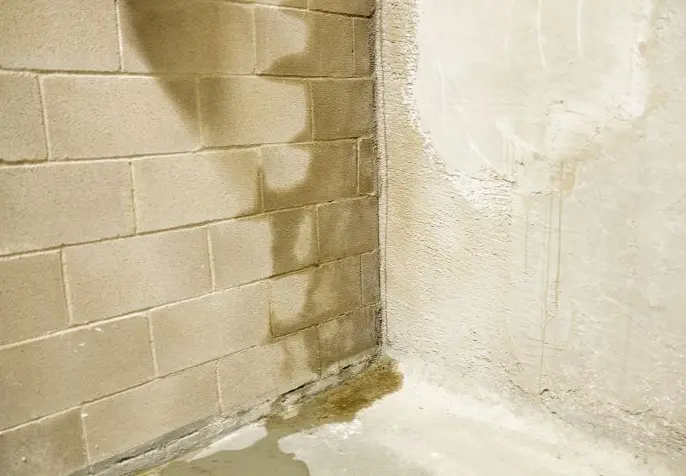

Basements are more prone to moisture than any other part of the house. Soil pressure, heavy rain, plumbing leaks, and groundwater all push water toward the foundation. When moisture enters, it can create musty odors, staining, mold growth, and long term structural problems. Choosing the right basement waterproofing method protects the home and prevents expensive damage, yet many homeowners are unsure which option works best.
The ideal waterproofing method depends on the source of moisture, the home’s construction, and the amount of water pressure acting on the foundation. No two homes are identical, so the best solution is not always the cheapest or simplest. Understanding the strengths and limitations of each method helps homeowners make informed, confident decisions.
Many homeowners begin researching professional help, such as basement waterproofing Fredericksburg, VA when they notice leaks, damp walls, or water pooling after storms. Professionals assess drainage conditions, inspect the foundation, and identify entry points. This evaluation reveals which waterproofing method will offer the most reliable protection.
Understanding Why Basements Leak
A basement typically leaks for one of three primary reasons. Identifying the cause is the first step toward choosing the right solution.
Hydrostatic Pressure
This is the most common cause. Water builds up in the soil and exerts pressure on the foundation until it forces its way through cracks or weak spots.
Poor Exterior Drainage
Clogged gutters, short downspouts, and sloped soil direct water toward the home instead of away from it. This increases moisture around the foundation and weakens its defenses.
Foundation Movement
Shifting soil can create new cracks and gaps, allowing water inside. When the foundation moves, waterproofing becomes more complicated because structural repairs may also be needed.
Understanding the true cause of moisture ensures the chosen waterproofing method actually solves the problem long term.
Interior Waterproofing Methods
Interior waterproofing focuses on managing water after it reaches the basement or when it threatens to enter. These methods are typically less invasive and more cost-effective than exterior solutions, but they are best for moderate moisture rather than heavy groundwater pressure.
Sealants and Waterproof Coatings
These products create a moisture barrier on interior walls. They are effective for controlling minor dampness but cannot stop significant leaks or pressure-driven water.
Interior Drainage Systems
This method involves installing drainage channels along the interior perimeter of the basement floor, paired with a sump pump. The system collects water and redirects it safely outside. It is highly effective for recurring leaks or standing water.
Interior solutions work well for homes with ongoing moisture but without severe structural issues or intense underground water pressure.
Exterior Waterproofing Methods
Exterior waterproofing prevents water from reaching the foundation entirely. Although more labor-intensive, it offers long-lasting protection and is the preferred solution for persistent or severe water issues.
Excavation and Wall Treatment
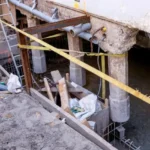
Contractors excavate around the foundation, clean the exterior walls, and apply a waterproof membrane to block moisture penetration.
Exterior Drainage Systems
French drains, or gravel drainage systems, redirect water away from the home and relieve pressure on foundation walls.
Exterior waterproofing provides deep, comprehensive protection and supports long-term structural stability.
Which Method Works Best for Your Home
The right waterproofing method depends on the severity of moisture and the condition of the foundation.
- Homes with light dampness may only need interior sealants or improved yard drainage.
- Homes with visible leaks or heavy groundwater pressure typically require interior drainage systems or exterior waterproofing.
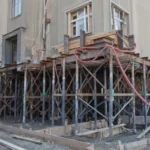
- Homes with cracks, bowing walls, or shifting foundations may need structural repair before waterproofing is installed.
Older homes with porous walls or previous settlement often benefit from more robust exterior solutions.
Why Professional Evaluation Matters
Choosing a waterproofing method without identifying the true cause of the moisture leads to wasted money and temporary fixes. A professional evaluation determines whether the issue is:
- Surface dampness
- Water pressure
- Drainage problems
- Structural movement
Professionals also understand local soil behavior. Clay soil, for example, holds water longer and increases pressure on basement walls, while sandy soil drains faster. These differences influence which method will last the longest.
Preventing Future Water Problems
After waterproofing, homeowners can reduce the chance of future issues with simple maintenance:
- Keep gutters clean.
- Extend downspouts away from the home.
- Maintain proper soil grading.
- Test sump pumps regularly.
- Inspect new cracks as soon as they appear.
With the right waterproofing system and good maintenance habits, basements stay dry and safe long term.
Conclusion
Choosing the best basement waterproofing method begins with understanding why the basement leaks and how much moisture pressure affects the foundation. Interior methods manage incoming water, while exterior systems prevent it from reaching the structure. A professional evaluation ensures the correct solution is chosen for long-term protection. With proper installation and ongoing upkeep, homeowners keep their basements dry, healthy, and ready for use. Many homeowners trust Fredericksburg Basement Waterproofing Experts for expert guidance and reliable long-term protection.