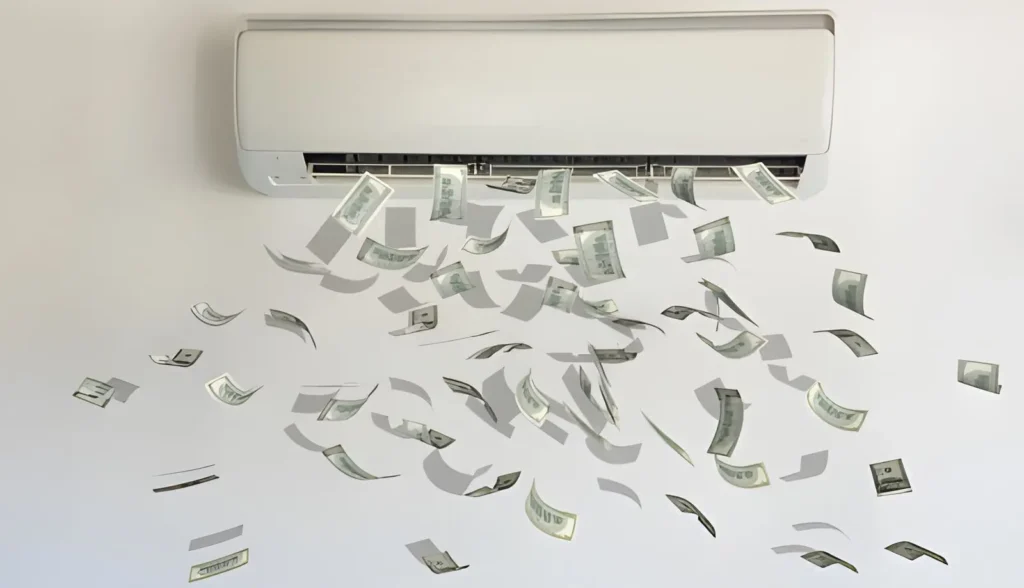

Air conditioning systems work hardest during the summer months. By the time temperatures begin to fall, many homeowners simply switch the system off and forget about it until the next heatwave. However, ignoring your system during the transition into cooler weather can quietly increase energy costs and repair bills in the following year.
Late-season air conditioner inspections offer a simple way to protect both your equipment and your budget. A professional checkup allows technicians to identify wear, clean components, and address minor issues before they grow into expensive problems. In fact, one of the most overlooked benefits of late-season AC maintenance is the ability to detect inefficiencies while the system has just completed its most demanding period.
Why Late-Season AC Maintenance Matters More Than Most Homeowners Realise
Many homeowners believe that AC maintenance should only occur before summer begins. While preseason servicing is valuable, post-season maintenance is equally important. After months of continuous operation, air conditioners accumulate dust and debris and experience mechanical stress that can affect future performance.
Late-season servicing ensures your system enters the off-season in optimal condition. Technicians can inspect electrical connections, clean internal components, and verify system balance before long periods of inactivity. This proactive approach directly contributes to the benefits of late season AC maintenance, particularly in preventing damage caused by overlooked wear.
Key advantages include:
- Identifying minor mechanical problems early
- Reducing strain on critical components
- Preparing the system for winter dormancy
- Preventing corrosion or moisture-related damage
- Maintaining overall cooling efficiency
By addressing these concerns early, homeowners can avoid the unexpected costs that often arise during peak summer demand.
How End-of-Season Inspections Reduce Energy Costs
Air conditioning systems consume a significant portion of household energy during warm months. Even small inefficiencies can increase electricity bills noticeably. A late-season checkup provides an opportunity to correct performance issues before they affect long-term energy consumption.
During an inspection, technicians typically assess airflow, refrigerant levels, thermostat calibration, and coil cleanliness. These elements directly influence how efficiently a system operates. When coils become dirty or refrigerant levels fall below optimal ranges, the unit must work harder to achieve the same cooling effect.
Important efficiency improvements often include:
- Cleaning evaporator and condenser coils
- Adjusting refrigerant pressure
- Tightening electrical connections
- Checking fan motor performance
- Inspecting air filters and duct airflow
Each of these adjustments contributes to smoother operation and reduced energy waste. One of the most practical benefits of late season AC maintenance is therefore the ability to maintain lower energy bills during the next cooling cycle.
Preventing Costly Repairs Through Early Detection
Unexpected AC breakdowns rarely occur without warning. In many cases, systems display subtle signs of stress long before major components fail. A late-season maintenance appointment allows professionals to identify these warning signals.
During inspections, technicians examine critical components such as compressors, capacitors, fan motors, and refrigerant lines. They can detect small faults that are easy and inexpensive to repair at this stage.
Ignoring these issues can lead to serious damage. For example:
- A weak capacitor can eventually prevent the compressor from starting
- A small refrigerant leak may damage internal components
- Loose wiring can cause electrical failure
- Worn fan motors may stop functioning under high load
Because these inspections occur after the system has completed its seasonal workload, they provide valuable insight into real operational wear. This makes late-season servicing one of the most practical strategies for avoiding sudden repair expenses.
Extending the Lifespan of Your Air Conditioning System
Air conditioning units represent a significant home investment. Most systems are designed to last between 10 and 15 years, but poor maintenance can shorten that lifespan dramatically.
Regular maintenance contributes to longer system life through:
- Improved airflow and reduced internal strain
- Proper lubrication of moving parts
- Balanced refrigerant pressure
- Reduced overheating risk
- Cleaner internal components
These factors collectively reduce wear on expensive parts such as compressors and motors.
Preparing Your Cooling System for Winter Conditions
Although air conditioners are primarily used in warm weather, winter conditions can still affect outdoor units. Snow, moisture, falling leaves, and debris may accumulate around the condenser during the colder months.
Preparation steps typically involve:
- Removing debris from around the condenser unit
- Inspecting outdoor coils for damage
- Ensuring proper drainage around the system
- Securing loose external components
- Installing protective covers where appropriate
These preventive measures reduce the likelihood of winter-related damage. Proper preparation ensures the system remains protected until it is required again during warmer months.
By taking these steps early, homeowners avoid the need for spring repairs caused by environmental exposure.
Why Scheduling Maintenance in the Off-Season Is More Convenient
Another overlooked advantage of late-season servicing is scheduling flexibility. During peak summer months, HVAC technicians are often overwhelmed with emergency repair calls. This can lead to long waiting periods and higher service fees.
In contrast, autumn and early winter are quieter periods for HVAC professionals. Booking a maintenance appointment during this time offers several practical advantages.
These include:
- Faster appointment availability
- Lower service costs in some cases
- More detailed inspections due to reduced workload
- Greater flexibility for scheduling
- Less pressure during unexpected repairs
Homeowners who schedule maintenance during off-peak seasons often receive more thorough attention and quicker service.
Wrap Up:
Late-season air conditioner maintenance offers a practical way to protect both your cooling system and your household budget. By inspecting equipment immediately after its most demanding period, technicians can identify hidden issues, improve efficiency, and prepare the system for months of inactivity.
The long-term impact of these inspections is significant. Lower energy bills, reduced repair costs, improved reliability, and extended equipment lifespan all contribute to the value of routine servicing.
When homeowners consider the full benefits of late season AC maintenance, the logic becomes clear. A simple inspection at the end of summer can prevent expensive surprises when the next heatwave arrives.
Also Read