

Table of Contents
- The Critical Role of Regular Truck Maintenance
- Common Maintenance Failures and Their Consequences
- Real-Life Consequences of Neglected Maintenance
- Legal Implications for Trucking Companies
- Preventative Measures to Ensure Safety
- The Role of Drivers in Maintenance
- Conclusion
The Critical Role of Regular Truck Maintenance
Every day, thousands of commercial trucks travel on highways carrying essential goods. The safety of these vehicles depends critically on diligent maintenance routines. Overlooking routine checks can endanger not only the truck driver but everyone sharing the road. For many victims, the only recourse after a collision is to seek the help of experienced commercial truck injury attorneys who can advocate for their rights and navigate complex accident claims.
A well-maintained truck ensures that all its critical systems, from brakes to tires, are functioning as intended. Maintenance is not just an operational guideline; it is a legal and ethical responsibility. By following set maintenance schedules and taking proactive steps, companies demonstrate a commitment to road safety.
When regular maintenance is overlooked, mechanical failures become more likely, and they often occur with little warning. This creates scenarios in which accidents can happen suddenly, resulting in severe injury or loss of life. According to the National Highway Traffic Safety Administration, mechanical problems are key contributors to large truck collisions nationwide.
Furthermore, skipping inspections or repairs to save time or money is a dangerous gamble. Prevention and timely response to defects remain the most effective ways to keep roads safe and trucks running reliably.
Common Maintenance Failures and Their Consequences
Several types of maintenance failures frequently play a role in serious truck accidents:
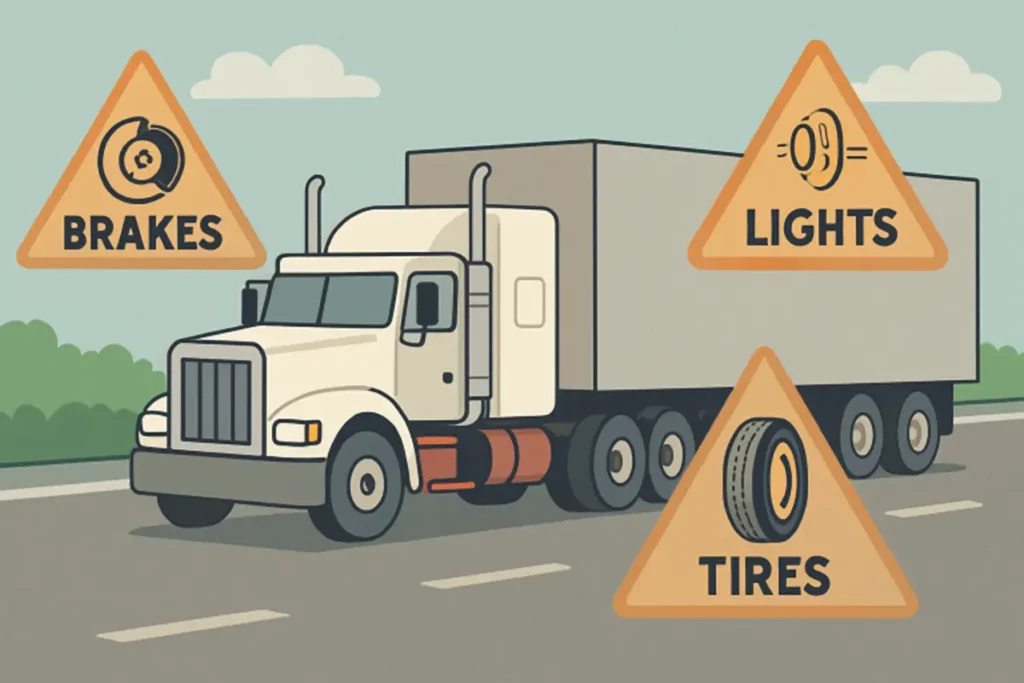
- Brake Failures: Faulty braking systems are among the leading causes of significant truck accidents. When brake components wear down or are ignored, trucks cannot stop quickly enough, often resulting in high-impact collisions. According to analysis by the Insurance Institute for Highway Safety, brake defects are frequently cited as a significant factor in accidents.
- Tire Blowouts: Tires with excessive wear or poor inflation can suffer blowouts at highway speeds. A sudden loss of tire pressure can cause drivers to lose control, sometimes leading to jackknifing or rollovers, posing grave risks to all travelers nearby.
- Steering and Suspension Issues: If steering or suspension systems are not kept in good repair, the risk of losing vehicle control increases, especially during quick maneuvers or curves. This often translates to rollovers or vehicles running off the road.
- Lighting Malfunctions: Truck lighting, including headlights, taillights, and turn signals, is essential for safe navigation and communication on the road. If these components are not kept operational, nighttime collisions and lane-changing accidents can become much more likely.
Real-Life Consequences of Neglected Maintenance
Catastrophic truck accidents caused by poor maintenance are not just theoretical. The tragic 2018 Schoharie limousine crash in New York is a stark reminder. Due to inadequate service and faulty brakes, the vehicle crashed and claimed 20 lives. Events like these underscore the severe consequences of ignoring repair and inspection protocols. Proper maintenance is not just a line item in an operations manual; it is a life-or-death priority.
Legal Implications for Trucking Companies
Trucking companies in the United States have a legal duty to adhere to strict federal maintenance regulations. These guidelines mandate comprehensive maintenance documentation and routine vehicle inspections. If a company is found negligent, such as failing to resolve known repairs or falsifying logs, it can face significant fines and heightened liability in the event of a crash. Consequences for non-compliance often extend beyond financial penalties and may include the suspension of business operations or criminal charges.
Inspections by agencies such as the Department of Transportation are routine, and any deficiencies discovered can trigger a chain of events, including lawsuits and the loss of commercial licenses.
Preventative Measures to Ensure Safety
There are tangible steps companies and fleet managers can take to reduce truck accident risks caused by neglected maintenance:
- Implement Regular Inspections: Conduct thorough pre-trip and post-trip inspections, ensuring all issues are addressed before a vehicle returns to the road.
- Maintain Accurate Records: Keeping precise logs of inspections, repairs, and services completed on every vehicle not only proves regulatory compliance but also streamlines internal processes.
- Prioritize Repairs: Any identified defects must be fixed without delay. Ignoring minor problems can lead to far more costly and dangerous failures later.
For more on the importance of effective maintenance programs, visit the Federal Motor Carrier Safety Administration for guidelines and resources.
The Role of Drivers in Maintenance
Drivers are the frontline defense for spotting maintenance needs. Federal law requires commercial drivers to complete daily inspection reports and to notify their employers immediately of any mechanical problems. Drivers who dismiss or neglect known safety defects may be held individually responsible for a crash. The partnership between driver vigilance and company responsibility strengthens overall road safety and helps prevent tragedies before they start.
Conclusion
Neglecting truck maintenance carries dire consequences, setting the stage for catastrophic accidents that can affect countless lives. From enforcing regular inspections and repairs to ensuring legal compliance and driver participation, every step in the maintenance process protects motorists and strengthens the safety of our roads. Holding companies accountable and recognizing the importance of diligent maintenance routines are essential to preventing preventable accidents and their heartbreaking outcomes.
Also Read