
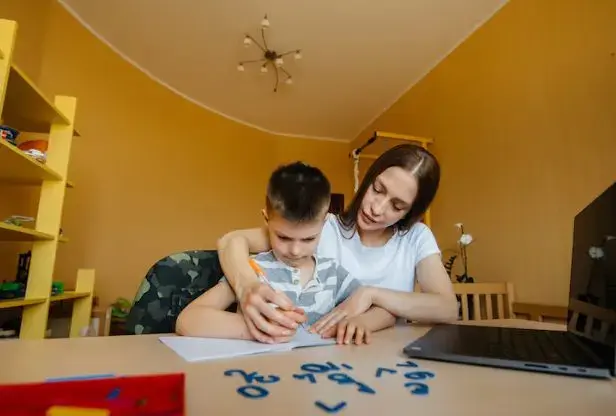

Applied Behavior Analysis (ABA) is a proven, research-driven strategy designed to foster essential skills and support positive behaviors, especially for children diagnosed with autism spectrum disorder (ASD). ABA isn’t just a therapy delivered in sterile clinic rooms; it’s a dynamic approach that, when thoughtfully embedded into everyday home life, transforms standard routines into practical and powerful learning opportunities. For parents and caregivers, integrating in-home ABA therapy strategies provides a customizable path to independence, confidence, and meaningful growth for children of all abilities and ages. The dynamic nature of ABA means that it adapts to the individual needs of each child, smoothing out the challenges and enhancing the joys of daily living.
ABA is much more than simply participating in structured clinic sessions. It’s about recognizing and seizing genuine moments of learning that happen naturally throughout daily life—whether that’s getting dressed in the morning, sitting down for a meal, managing transitions from one activity to another, or even engaging in play. When parents apply clear, consistent ABA strategies, every interaction at home becomes a potential stepping stone toward building functional life skills in a supportive environment filled with familiar faces. By embracing these techniques, families can nurture their child’s confidence, autonomy, and adaptability, fostering steady progress in ways that are both comfortable and motivating for the child.
Understanding ABA and Its Core Principles
At its core, ABA focuses on observing behavior to understand its triggers (what happens before), its consequences (what happens after), and the overall function or purpose of the behavior. The ultimate goal of ABA therapy is to reinforce desirable behaviors while minimizing those that might interfere with daily life and personal growth. Foundational ABA principles include:
- Positive Reinforcement: Strengthening preferred behaviors by introducing rewarding consequences, such as verbal praise, special activities, or small tangible rewards. Consistent reinforcement helps motivate the child to repeat those positive actions in the future.
- Task Analysis: Simplifying a complex or multi-step task by breaking it down into small, achievable steps. This makes overwhelming activities more manageable and builds a sense of accomplishment with each completed step.
- Prompting and Fading: Providing prompts or cues to encourage success, such as verbal instructions or physical guidance, then gradually decreasing support as the child becomes more confident and independent in their abilities.
- Generalization: Encouraging learned skills to be applied in a variety of situations, settings, and with different people. This helps ensure that progress is not limited to a single context and prepares children for the real-world challenges they will face.
Families who understand and apply these ABA principles can create home environments where progress, self-reliance, and positive interactions are integral to everyday life. Integrating behavioral supports into daily activities can make early intervention more effective and attuned to each child’s unique personality, preferences, and needs.
Embedding ABA Strategies into Daily Activities
Strategically blending ABA into home routines offers authentic, hands-on learning experiences that reinforce skill development in meaningful ways. Each seemingly ordinary step in a daily routine can be transformed into a teaching opportunity that encourages progress, resilience, and confidence—resulting in effective skill acquisition that lasts.
Morning Routines
A structured morning routine greatly benefits children with ASD. Using visual schedules, such as picture cards for tasks like brushing teeth and getting dressed, helps individuals anticipate transitions, thereby reducing anxiety. Consistent visual supports, verbal reminders, and praise enhance understanding and motivation. Children with these structured routines experienced 42% fewer meltdowns, leading to smoother mornings and a sense of accomplishment.
Mealtime
Mealtimes at home are an excellent opportunity to enhance communication and social skills. Encourage children to express their food needs using methods like speaking, sign language, or communication devices. Respond positively to their requests with smiles and praise. Engage in conversations about flavors, textures, and colors to expand their vocabulary and foster pride in their communication skills.
Household Chores
Simple household chores are great for fostering responsibility and problem-solving skills in children. Assigning age-appropriate tasks, like sorting laundry or setting the table, helps build a sense of accomplishment. Breaking tasks into steps and using visual aids, such as checklists, enhances learning. Clear instructions and praise for completed steps boost self-esteem and reinforce perseverance. Over time, these skills lead to greater independence at home and beyond.
Playtime
Playtime is not just a break from structured learning—it’s a fertile ground for practicing social skills, creativity, and emotional regulation. Structured games, whether physical or imaginative, enable children to learn about turn-taking, sharing, and interpreting social cues, such as facial expressions and tone of voice. Board games or group role-playing activities can facilitate cognitive development, encourage teamwork, and build positive peer relationships. Through guided play, children are encouraged to apply their new skills in real-time with family members or friends, setting the stage for future success in larger social settings, such as at school or in the community.
Utilizing Visual Supports
Visual supports are some of the most effective tools in supporting ABA strategies at home. Whether it’s picture schedules, communication boards, or visual timers, these aids provide essential clarity, predictability, and cues for transitioning between activities. For children who may struggle with verbal instructions alone, visual reminders help them process what’s expected and feel secure about upcoming changes. This reduces anxiety, fosters self-direction, and promotes meaningful participation in daily activities. According to research from the Autism Research Institute, the consistent use of visual supports leads to smoother activity transitions and fewer behavioral challenges among children with ASD.
Encouraging Flexibility
While establishing structure is critically important for many children, learning to become flexible when life doesn’t go as planned is just as essential. The gradual introduction of small changes—such as varying the order of tasks or inviting the child to help choose which activity to do next—can strengthen adaptability. Consistently praising efforts to cope with changes and reinforcing even incremental progress toward accepting the unexpected fosters resilience, resourcefulness, and confidence that will benefit them well into adulthood. This skill is vital for children on the autism spectrum, who often thrive on predictability but may face a world full of unforeseen circumstances.
Collaborating with Professionals
Close collaboration with board-certified ABA therapists ensures that behavioral strategies are personalized to a child’s unique strengths and growth areas. Therapists refine interventions, provide adaptations, and offer guidance for challenging behaviors. They model strategies for families to implement techniques consistently. This ongoing partnership ensures that goals remain relevant and aligned with the child’s interests and developmental stages, thereby maximizing the effectiveness and sustainability of ABA interventions throughout childhood and adolescence.
Conclusion
Incorporating ABA techniques seamlessly into daily routines transforms ordinary moments into powerful, meaningful learning experiences that can dramatically empower children with ASD. By using visual schedules during breakfast, embracing flexibility in afternoon activities, and collaborating with seasoned professionals, families make ABA an everyday practice rather than just a once-a-week therapy. This holistic, family-centered approach supports lasting independence, well-being, and joy, providing a framework for children to thrive both now and in the future. Through patience, creativity, and partnership, ABA becomes an essential ingredient in nurturing happy, capable, and resilient children.