

Homeowners often face a range of challenges in maintaining the integrity of their roofs. From minor leaks to more serious structural issues, roofing problems can arise due to age, weather conditions, or installation errors. Understanding common roofing issues is essential for preventing costly repairs and ensuring a home’s safety and comfort. By recognizing the signs early, homeowners can take proactive steps to address problems before they escalate.
In residential roofing, issues such as shingle damage, water infiltration, and improper ventilation are common. Regular inspections and timely maintenance are crucial for extending a roof’s lifespan and protecting the property’s overall value. Whether it’s dealing with storm damage or general wear and tear, being informed about common roofing problems helps homeowners make better decisions and maintain a secure and functional living space.
Roof Leaks and Water Damage
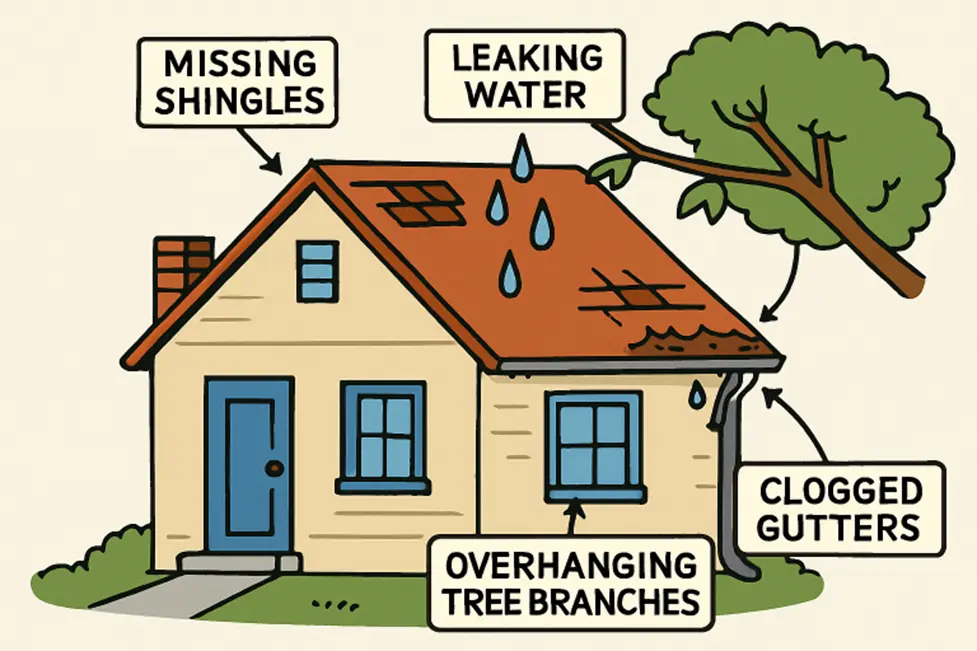
One of the most common homeowner complaints is a leaky roof. Leaks commonly stem from damaged or missing shingles, improperly installed flashing, or blocked rain gutters. The first signs of trouble might be dark spots on your ceiling, water stains along the walls, or moisture detected in the attic. Unaddressed leaks are a leading cause of mold and mildew, which can result in both health and structural issues.
Flashing Failures
Flashing refers to the metal strips placed where the roof meets chimneys, skylights, or vents. As these joints age, the flashing can become loose, rusted, or even fail altogether. These weak points provide entry points for moisture and pests. Make sure to check flashing as part of any roof inspection, and repair or replace it as needed to keep your roofing system sealed tight.
Missing or Damaged Shingles
Severe storms, improper installation, and age are primary contributors to shingle damage. Cracked, curling, or missing shingles expose your roof’s underlayers to wind and water intrusion. It is best practice to inspect your roof after significant weather events. Replacing individual shingles can help prevent further damage and keep your roof performing its protective function.
Poor Roof Ventilation
Proper ventilation plays an important role in roof health. Without adequate airflow, heat and moisture can accumulate in the attic, accelerating shingle deterioration and providing ideal conditions for mold growth. Vents such as ridge, soffit, or gable vents are effective at balancing temperature and humidity, thereby significantly extending your roof’s lifespan.
Clogged Gutters
Your gutter system directs water away from your home, protecting the roof and foundation. When gutters are filled with leaves or debris, water backs up, increasing the risk of roof leaks, fascia board rot, and even foundation problems. Cleaning gutters regularly, especially during the autumn leaf fall and spring, maintains optimal drainage and prevents unnecessary headaches down the road.
Ponding Water
Flat and low-slope roofs are vulnerable to ponding, the accumulation of stagnant water that does not properly drain. Even brief periods of ponding can damage roofing materials and undermine the structure beneath, making regular checks for pooling water an essential maintenance task. Addressing low spots or blocked drains can significantly reduce the risks associated with standing water.
Tree Damage
Trees provide beauty and shade, but they can also threaten a roof’s integrity. Overhanging branches can scratch or gouge roof materials, gradually weakening them. Worse, heavy winds or storms may bring down limbs or entire trees onto your roof, causing sudden, extensive damage. Proper landscaping, including trimming back trees and removing weak branches, reduces the likelihood of roof damage during adverse weather.
Aging Roof
Every roof has a limited lifespan determined by its materials and the quality of its installation. As a roof reaches the end of its serviceable years, shingles become brittle, protective granules wear away, and the risk of leaks rises. Routine professional inspections can help assess when repair is feasible or if a full replacement is the best course of action. Knowing the lifespan of your roofing material helps plan future upgrades and avoid unexpected failures.
Conclusion
Staying alert to these common roofing problems and taking steps to address them quickly can save homeowners time, money, and trouble in the long run. Regular checks, preventive care, and informed decision-making help keep your home strong against the unpredictable forces of nature.
Also Read