
Plumbing myths can lead to unnecessary expenses, wasted water, and damage to your home. By getting the facts straight, homeowners can avoid common pitfalls that harm their plumbing systems. Understanding when to call a professional—like a plumber in Coeur D Alene, Idaho—is just as important as regular maintenance and informed daily use.
Whether you’re handling routine maintenance or dealing with an unexpected issue, separating plumbing fact from fiction helps you protect your investment and minimize long-term costs. Many widespread plumbing beliefs seem logical, but in truth, can actually cause more harm than good, threatening both your savings and your home’s condition. This guide explores some of the most common misconceptions, why they’re dangerous, and what you should be doing instead. By challenging myths, you can keep your pipes clear, avoid emergencies, and make smarter choices for your plumbing system.
Myth 1: “Flushable” Wipes Are Safe for Toilets
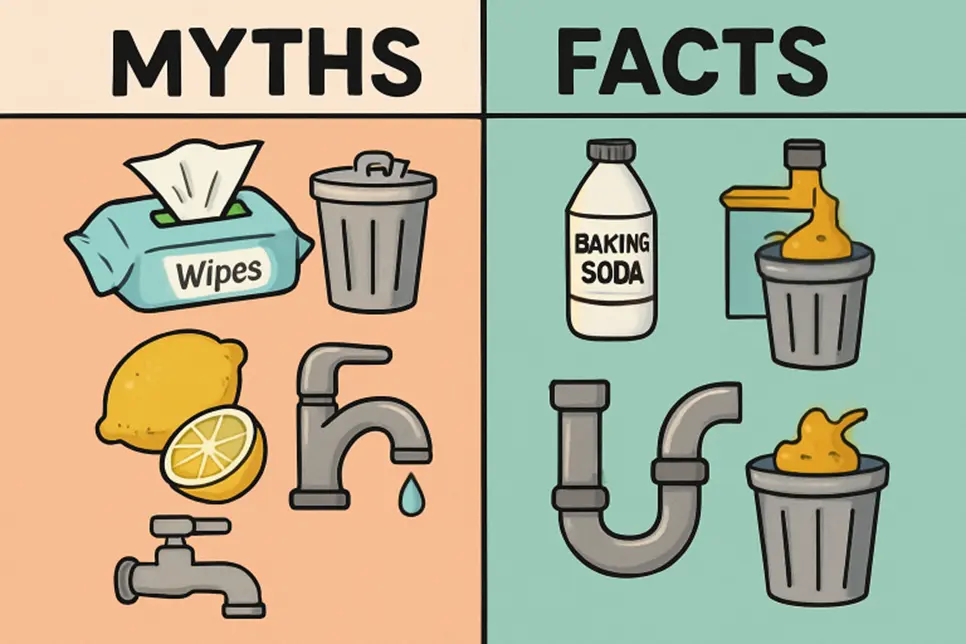
Despite what packaging claims, so-called “flushable” wipes do not break down like traditional toilet paper. According to Consumer Reports, these products are one of the leading causes of household and municipal sewer clogs. In cities like New York, wipe-related blockages have cost millions of dollars in repairs and maintenance. To prevent plumbing problems, always dispose of wipes in the trash rather than flushing them, regardless of the packaging.
Myth 2: Lemons Clean Your Garbage Disposal
While it’s a popular DIY tip to drop lemon peels down your disposal to freshen odors, this actually does little to sanitize or clear waste. In fact, the acid in lemons can corrode some components of your disposal, and the peels may add to clogs. A more effective natural cleaning method is to use a mix of baking soda and vinegar, letting it fizz to help break down debris and neutralize odors, then flush with cold water.
Myth 3: A Leaky Faucet Isn’t a Big Deal
Even a slow drip wastes an astonishing amount of water—over 3,000 gallons a year from one faucet, according to the Environmental Protection Agency. Left unattended, leaks can promote mold growth, damage fixtures, and substantially increase your utility bills. Addressing leaks promptly saves money and helps conserve water.
Myth 4: Hot Water Melts Grease Down the Drain
Pouring hot water on grease might make it seem like the problem has disappeared, but once the mixture cools further down the pipes, the grease solidifies, leading to stubborn clogs and foul odors. Instead, always dispose of cooking fats in the trash, not the sink. Using drain screens and cleaning your pipes regularly also helps.
Myth 5: Chemical Drain Cleaners Are Harmless
Many turn to chemical drain cleaners for quick fixes, unaware that these products can corrode pipes, especially in older plumbing made of cast iron or steel. The damage can eventually lead to costly repairs or full pipe replacements. In addition, chemical drain cleaners are dangerous to handle and can pollute water systems, making them a last resort rather than a regular solution. Instead, opt for plungers or call professionals for recurring problems.
Myth 6: Running Water Prevents Garbage Disposal Clogs
Running water does help move waste, but it cannot prevent clogs entirely, particularly when the wrong items, such as fibrous vegetables, bones, or starchy foods, are sent through the disposal. The best practice is to dispose of only small, soft scraps and to run cold water before, during, and after use to safely clear the system.
Myth 7: All Plumbers Offer the Same Quality
Plumbing is a licensed and regulated trade, but not every plumber has the same qualifications, training, or reputation. Always verify licensing and check reviews before hiring a plumbing professional to ensure quality work and code compliance. Researching your plumbing company can protect your investment and avoid hazards.
Myth 8: Small Leaks Can Be Ignored
Even minor leaks can silently cause significant issues, including water damage, mold growth, and increased repair costs. Ignoring leaks not only wastes water but can also jeopardize your home’s structure and safety. Routine inspections and prompt repairs are key to minimizing risks and maintaining your system for the long run.
By challenging and correcting these common myths, you can keep your plumbing system efficient, avoid unnecessary expenses, and ensure a safer, healthier home environment.
Also Read-“EF Collection: Jewelry That Elevates Everyday Life”